Skiing in Canada: Best Resorts, When to Go & Why It’s Worth It
This post may contain affiliate links. If you purchase through one of these links, I may earn a small commission at no extra cost to you. I only recommend products and services I genuinely believe will help your trip.
Introduction
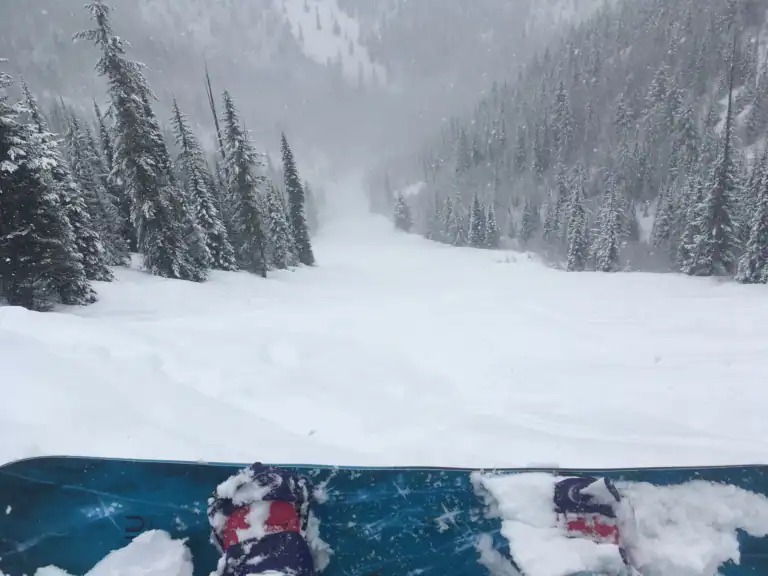
From the steeps of Whistler to the tight Revelstoke trees and snow ghosts of Big White, the options are endless. Canadian ski resorts are some of the best in the world and there is one for every type of skier. Having spent some time living and working amongst the dry Okanagan champagne powder, I’ve seen first hand how amazing the conditions can be and why it’s worth the trip, no matter where you’re coming from.
Already decided on Canada and looking for more info on BC resorts? Check out the 5 Best Small Resorts in BC
Below I’ve put together a guide on everything you need to know before your Canadian ski trip, from where to go, when to travel and why you should start planning now. Read on to learn about the best ski resorts in Canada.
Why Ski in Canada
The reasons to start planning your Canadian ski holiday are endless. With long seasons, plentiful snowfall and quintessential mountain towns there’s really no reason not to.
Being such a large country, Canada is home to close to 300 ski resorts. You’ll find everything from small family run resorts, with only a handful of chairlifts but budget friendly prices, such as Mt Seymour just outside of Vancouver. Through to large corporate resorts with endless terrain, plenty of chairlifts and prices to match, like at Whistler Blackcomb. This means that there is a resort for everyone from the budget traveller, to the well-heeled skier, in fact if time permits, why not try a few.
While the quality and quantity of snow can vary from place to place, overall (particularly when compared to Australia) you can be confident that you will get a solid base and a big variety of runs to choose from regardless of when you visit.
Aside from deep powder, steep trees, and perfectly groomed runs, most resorts also offer plenty of activities to keep the non-skiers busy too. Expect to see ice skating rinks (check out Canada’s highest outdoor rink at Big White), horse sleigh rides, dog sledding, tobogganing and tubing parks, day spas, hot tubs, boutique shops and plenty of Aprés and dining spots.
For the parents hoping to get some time away from the kids, most resorts will also have daycare and ski school options which will take the kids anywhere from half a day to the full day. If a sleep in sounds nice, some ski schools even offer a pickup service where the instructors collect the kids straight from your hotel room. Make sure to confirm childminding services directly with your resort of choice though as some of the smaller resorts won’t offer daycare but may be able to recommend babysitting services.

When to Ski in Canada
Canadian ski seasons are long when compared to our short Aussie seasons. They typically run from November to April or May – depending on the resort. With such a long season, it can be hard to know when the best time to go is. Overall, Canadian snowfall is pretty reliable, this means you’ll likely have a great time regardless of your choice. However, there are a few things you should consider when planning.
- November to Mid-December: This is early season in the Northern Hemisphere. You’ll normally see the first real snow of the season falling around Halloween, slowly working to build up the base. Most resorts will open from mid-late November once there is enough coverage. While you won’t often see all terrain open this early, there’s normally enough snow on enough runs to keep you out there all day.
- Late December to February: This is peak season in the Northern Hemisphere, both in terms of snow and people. Christmas time sees an influx of visitors, and for good reason – there’s nothing more magical than a white Christmas at a ski resort. Picture pine trees strung with tinsel, fairy light covered buildings and the sound of Christmas carols drifting out of every building.
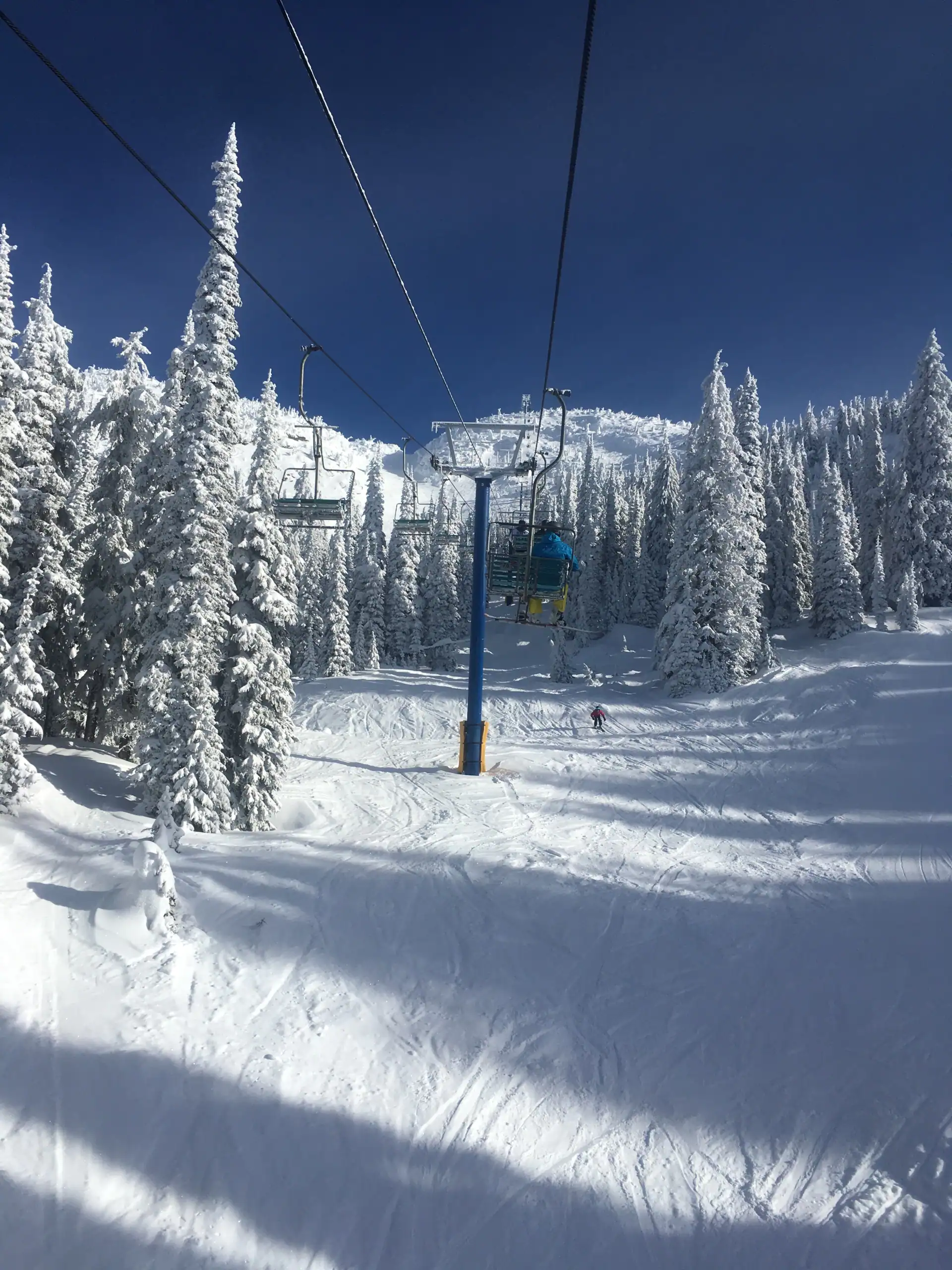
Christmas aside, the snow from January onward comes more reliably (in western Canada at least), with more regular powder days, this in turn tends to mean the rest of the mountain continues to open up, with more challenging terrain becoming accessible. While the resorts get noticeably busier, the increased open terrain means people are able to spread out more. Although, still expect to wait in lift lines, particularly if you’re going places like Whistler Blackcomb or Sunshine Village.
While the whole period is busier in general, there are also some particular dates that are notoriously crazy. The main period to avoid if possible is the Family Day and Presidents Day holiday. These two holidays both fall on the third Monday of February and while Presidents Day (or Washington’s Birthday as It’s officially known) is an American holiday, Canada gets lots of tourists travelling north during the break. Lots of people choose to take the week off and resorts fill up. Expect long lift lines, more expensive accommodation and hotels booking up well in advance. - March – May: March sees the season start to wind down. Sunnier days and less snowfall means the conditions won’t be as consistently good as you find in January and February. You’ll still see the odd powder day from March onward, however they are much rarer. In their wake though, you’ll find plenty of bluebird spring skiing days. Most resorts on the West coast will run through until early to Mid April, depending on the conditions. Some of the higher mountains, for instance Whistler and some mountains around Banff, will manage to hang on into May. While I probably wouldn’t plan a dedicated ski trip for May (unless they’re having a bumper year), if you’re in the area anyway, it’s almost always worth checking out.
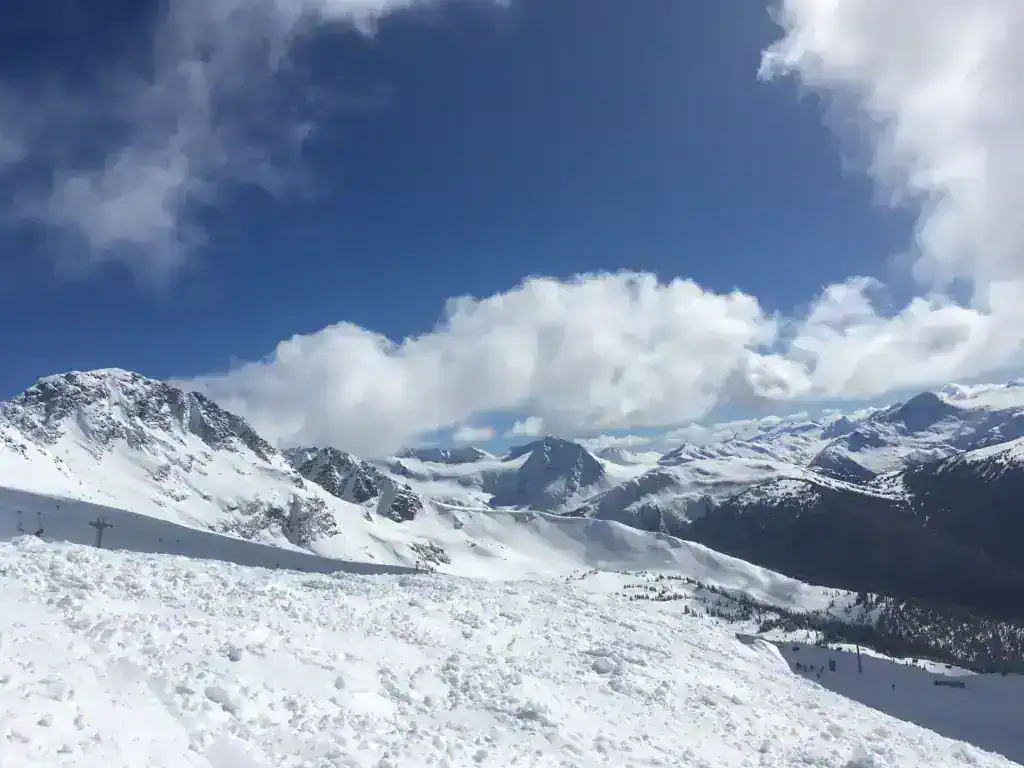
Where to Ski in Canada
There are three main provinces in Canada to consider if you want to go skiing. These are British Columbia, Alberta and Québec. While there are other ski resorts, I’ll be focusing on these provinces as this is where the more popular resorts are located.
British Columbia
British Columbia, or BC colloquially, is known for having milder winters with the coastal regions receiving slightly heavier snow and wetter winters, however as you travel inland the weather gets drier and the snow lighter, with the interior region famous for its ‘Okanagan Champagne Powder’. The province is littered with resorts, you could ski one a day for a month and still not get through half of them. Below are a few of the bigger resorts that make for a great introduction to Canadian skiing no matter your skill level.
For more BC resorts – check out the 5 best small ski resorts in BC here
Whistler Blackcomb
In BC you’ll find North America’s biggest ski resort Whistler Blackcomb, this resort is a fully functioning year round town which means aside from its 200+ runs, 8,000 acres of terrain and 36 chairlifts, you’ll also find all the comforts of the city in a quintessential mountain town.The terrain here ranges from forgiving greens through to fear-inducing chutes, with around 20% beginner terrain, 35% intermediate, and a whopping 45% advanced to expert terrain. This is the perfect destination for groups with varying abilities, those who want plenty of options for their non-skiing days and anyone who wants a luxury ski holiday with no expense spared.
While there is no shortage of amenities at Whistler, this means the village is quite large and not all accommodation is within walking distance of the slopes, particularly the more affordable options so make sure to check out a map before booking. BC transit does operate a free shuttle throughout the village, and a regular bus service to the other surrounding neighbourhoods.
Big White
Nestled in the heart of the Okanagan, If you’re after a family friendly ski-in ski-out holiday, Big White is the place for you. Proudly sporting the title of Canada’s favourite family resort, there are weekly carnival nights, free hot chocolate and marshmallows by the fire and a world class ski school. However don’t mistake this to mean the terrain is all child friendly, 28% of the terrain is advanced to expert and the chutes at the Cliff chair can make even the most experienced skiers think twice.However, where the resort really shines is its tree runs, with nice open glades for those starting out, or the tight turns of the easter chutes if you’re feeling adventurous. However, with 16 chairs and 119 runs there is a little bit of everything on offer.
The village is split into three areas, the main village, Snowpines and Happy Valley. Snowpines is purely residential, made up of mostly freestanding chalets. It’s about a 15 minute walk across the slopes into the main village, the path is regularly groomed and lit up at night but can be hard work after fresh snow, a free shuttle also services the area, check the schedule though as bus times change often. Happy Valley has a number of chalets and condos and the Happy Valley day lodge which has a few food spots and plenty of communal seating. This is also where you will find many of the adventure activities such as snowmobiling, dog sledding, ice skating and tubing. The free shuttle also services this area, however a gondola also runs from the Happy Valley day lodge up to the main village. Here you’ll find more accommodation options, plenty of restaurants, a few shops and the Village Centre Mall (VCM), the main resort hub. While the accommodation options are spread out most areas still have a range of ski-in ski-out spots and those who don’t have direct ski access will only be a short walk away. This is one of the great strengths of Big White and once you’ve experienced the convenience it’s hard to go back.

Revelstoke
Revelstoke is a mountain for serious skiers and snowboarders, with the longest vertical drop in North America there is no shortage of steep runs and tight trees. On a powder day it’s pretty hard to find another resort that compares. With only four chairlifts, 75 runs and no real village to speak of, you could be mistaken for thinking this was a small mountain operation, however, what’s lacking in infrastructure is more than made up for with serious terrain and world class grooming. Offering only 12% beginner runs, it’s not the best choice for those starting out.
Slope side accommodation options are slim, consisting of only a couple of hotels at the base of the lifts. Most people choose to stay in town, which is only a 15 minute shuttle ride away. The town of Revelstoke is a charming place with towering mountains everywhere you look, and while only small, it has plenty of dining and shopping options – if you’re in the area it’s definitely worth a look.

Alberta
The next province across from BC is Alberta, temperatures here get much colder on average and as a result the snow is typically drier. However, given the cold temperatures (with lows down to -30°C or -22°F) it can sometimes get too cold to snow. There are 34 ski resorts in Alberta, most of these are in the southern half of the province with Calgary and Edmonton being the main access points. The resorts around Banff are arguably the most popular with many people basing themselves in the picturesque mountain town for their ski holidays. The three resorts here can also all be accessed on the one pass with a Ski Big 3 lift ticket making it an appealing destination.
Sunshine Village
Advertising ‘Canada’s best snow’ Sunshine Village claims the best and most snow out of the three Banff resorts, and with one of Canada’s longest seasons they might be right. Sunshine often operates from early November through to Late May, seven full months of snowy goodness. The resort is made up of three separate peaks, Goat’s Eye Mountain, Lookout Mountain and Mount Standish. There are 12 lifts servicing the peaks with around 130 runs and approximately 3,300 acres of terrain, plenty to keep any skier busy. The resort rates as 20% beginner, 55% intermediate and 25% advanced. There is a small village at the top of the village gondola with limited slope side accommodation, a few shops and some restaurants and bars. Plenty to keep you satisfied for a day on the slopes however like the other resorts, most choose to stay in Banff and commute each day. The resort is around 20 minutes out of town and free shuttles from Banff run each day making the trip nice and easy.
Lake Louise
Alberta’s largest ski resort, Lake Louise has 4,200 acres of skiable terrain, 12 chairlifts and 164 runs. Here you’ll find the most challenging terrain of the Banff resorts and arguably the most spectacular views. The resort has approximately 25% beginner terrain, 45% intermediate and 30% advanced making it perfect for those looking to challenge themselves or those working on progressing from intermediate to advanced.
The resort is located just a short drive from the town of Lake Louise which has a range of accommodation options – check out the chateau Lake Louise if you’re looking to treat yourself – and a few basic shops. If you’re only looking to ski here it may be worth staying in town, however if you’ll be visiting the other resorts in the area I’d recommend staying in Banff which is only about 35 minutes away. There are also buses that run from Banff and drop you right at the resort.

Mt Norquay
The smallest of the three resorts, Norquay has four chairlifts and 60 runs across approximately 190 acres of terrain. With 31% beginner terrain, 15% intermediate and 44% advanced to expert, the hill still has great options for both the first timers and experienced riders. Norquay is also the most conveniently located of the resorts, situated just outside the town of Banff it only takes around 15 minutes to get there. The resort also runs a complimentary shuttle up and back, including at night, when night skiing runs.
Québec
If you’re after a ski trip that feels a little more European, Québec is where you’ll find it. The province has a completely different feeling to the west, smaller mountains and colder temperatures, yes, but lots of character, charm and culture to make up for it. There are 81 resorts in Québec, with most of them close by to Montréal and Québec City.
Mont Tremblant
The most famous and popular resort here is Mont Tremblant, located just under two hours from Montréal. The resort looks like it’s been pulled straight out of the Alps, with colourful buildings, a bustling pedestrian village with boutique shops and plenty of good food and nightlife. The mountain itself has 100 runs spread across four faces, with 14 chairlifts and around 760 acres of terrain. They have approximately 19% beginner terrain, 30% intermediate and 50% advanced to expert. While the beginner terrain is limited, they do have a great dedicated learning area and a top ski school, making it a popular choice for families.
The pedestrian village is the heart of the resort where you will find accommodation, restaurants, shops, as well as a couple of gondolas and a chairlift to take you up to the slopes. Accommodation is also available in the mountainside and golf course side areas. These are more residential areas and a little further away from the action however there is a free shuttle that will transport you into the village and to the slopes.
Planning Tips for Your Ski Trip to Canada
No matter which resort you choose for your Canadian ski holiday, these planning tips will help you get the most out of your trip.

- Getting there: With International airports in Vancouver, Kelowna, Calgary, Edmonton and Montréal, no resort is ever too far away. Most of the big ones will offer airport transfers for door to door service. However, if you’re planning to check out more than one resort or want to do some sightseeing (and trust me, there’s no shortage of that), hiring a car can be a convenient option. If you do choose to hire, make sure the car comes with Winter Tires as many alpine roads will require them during winter. Also be aware that most mountain roads will be covered in snow and ice so if you’re not comfortable driving in those conditions a bus may be a better option.
- Budget & Booking tips: If you want to make your money go further, make sure you start planning well in advance. Resorts normally start taking bookings for the next season when the current season finishes up, although, check with the resort as some will start a wait list a few months earlier and contact everyone on the list prior to opening bookings to the public. This means you’ll have the first chance to secure the nicer more affordable options on your preferred dates.
Lift passes are also worth looking into early, if you’re staying for a week or more it’s often better value to get an early bird season pass. Although make sure you check the numbers to ensure it really is the best deal for your dates, If you’re travelling off-peak the day passes may be cheaper but you’ll need to confirm their off-peak dates and pricing to be sure.
Bonus Tip
It’s also worth signing up to the mailing list of any resort you’re interested in visiting as lots of the bigger resorts will have airline partners and they will often advertise flight deals alongside their accommodation – also check with the reservation agent when booking as some will be able to book flights for you at travel agent prices.
- Lift Passes: If you’ve got a season pass for your home mountain, make sure to check any reciprocal resort deals. Even if it’s not one of the big passes such as Epic or Ikon, you may still get a discount or a few free days at other resorts.
- Travel insurance: I can’t stress enough how important it is to have travel insurance on a ski trip. Skiing and Snowboarding are dangerous sports (even walking on snow can sometimes be an extreme sport). While no one wants to dwell on the dangers, if you talk to five skiers, chances are at least one of them has had a slopeside accident, that’s why it’s so important to be properly insured. Also make sure you read the fine print as some policies will advertise ski coverage, however, won’t cover you for any incidents which take place off of groomed runs. If you’re someone who likes to get off-piste but stays within resort boundaries, 1cover does a good snow pack add-on.
- Gear & prep: Remember temperatures in Canada can get quite low, all the way down to around -40°C (-40°F) in Alberta and Québec, so bring plenty of layers. Facemasks and good gloves are also must haves in these temps. But don’t worry, it’s not always this cold and resorts on the west coast rarely get that low, with average temperatures sitting around -5°C (23°F). If you don’t handle the cold well, consider getting some Hothands hand warmers, you can pop them in your gloves or boots. There are also some good re-usable options such as heated gloves, boots and jackets if you’re happy to spend a bit of money. Make sure to research the weather at your destination before you leave to ensure you’re well prepared.
Ready to Ride?
Whether you’re looking to plan your first ever ski trip or you’re a regular rider, Canada is a great choice. With such a large variety of options, across so many different parts of the country, it’s impossible to go wrong regardless of the resort you choose. My recommendation: take a trip across the country and visit as many as possible. Embrace the differences and enjoy the ride.
FAQ’s
Most resorts open from November through to April, with the best snow conditions typically falling between late December and February. Early season offers cheaper prices, while March brings longer, sunnier days and great spring skiing.
Canadian resorts are known for their reliable snowfall and light, dry powder – especially in the interior region of British Columbia, where you’ll find the famous “Okanagan Champagne Powder.”
Temperatures vary by region. In BC, expect around -5°C ( 23°F) on average, while Alberta and Québec can dip as low as -30°C or colder but sit around -10°C (14°F) on average, so bring plenty of layers and good gloves.
Major airports include Vancouver, Kelowna, Calgary, Edmonton and Montréal. Most resorts offer shuttle transfers, or you can hire a car – just make sure it has winter tires, as they’re required on many alpine roads.
It can be, but planning early helps. Booking ahead, travelling outside peak holidays, and looking for early bird lift pass deals can save you a lot. Some resorts also partner with airlines for flight and accommodation packages. Smaller resorts will generally be cheaper than skiing in Australia however the larger resorts will be fairly similar.