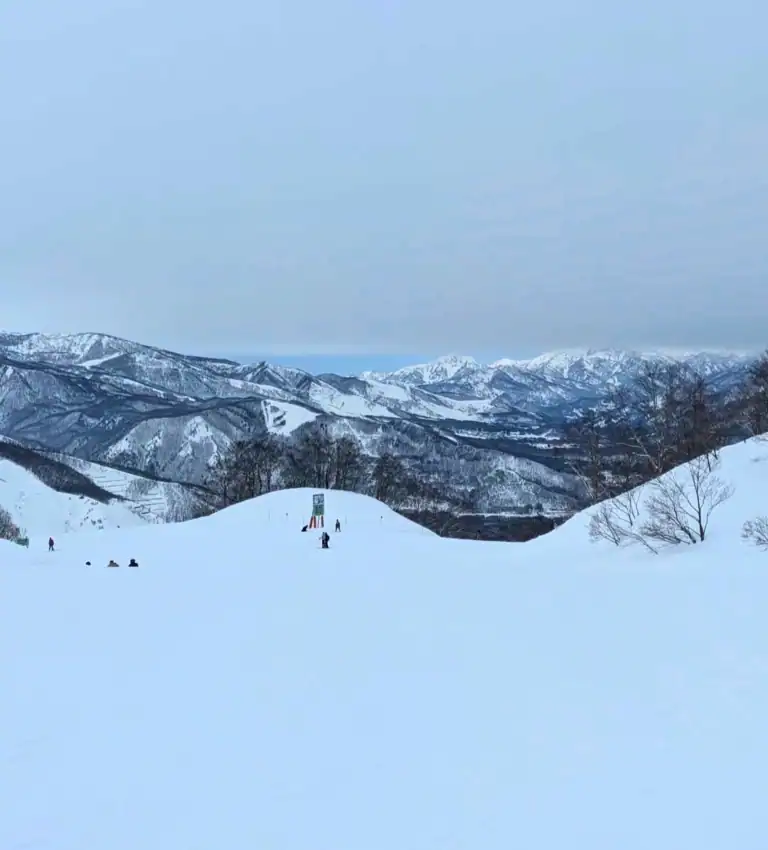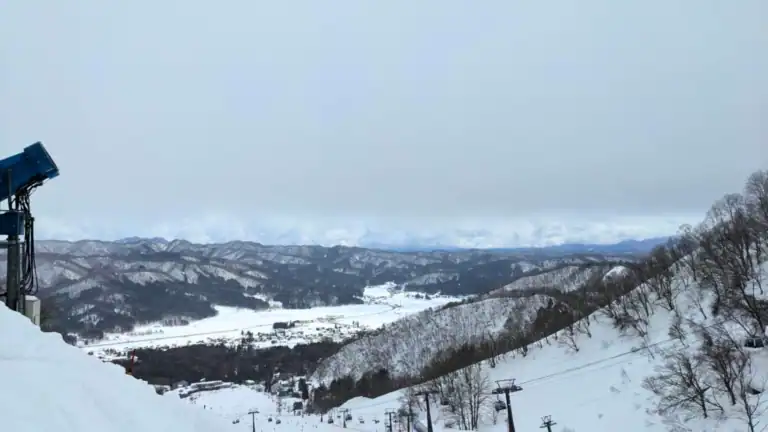
Best Time to Ski in Japan: When to Travel for the Best Snow, Smallest Crowds or Cheapest Accommodation
This post may contain affiliate links. If you purchase through one of these links, I may earn a small commission at no extra cost to you. I only recommend products and services I genuinely believe will help your trip.
With around 500 ski resorts to choose from, Japan is quickly becoming one of the top destinations for an international ski trip. Receiving approximately 7–15 meters (25 to 50 feet) of snow a year, it’s one of the snowiest countries on earth. In the last few years, there has been an influx of travellers from all around the world, seeking out the famous dry and fluffy Japanese powder – and for good reason. If you’re thinking about planning your own Japan ski trip, you may be wondering, when are the best times to ski in Japan? This guide will help you determine the best travel time for your individual needs, taking into account snow conditions, crowds, and prices for various areas across Japan.
Most resorts in Japan are located in one of three main areas. These are: Hokkaido, the northernmost island, the Tohoku region, in the north of the main island Honshu and Nagano, west of Tokyo, also on Honshu. Each year Hokkaido receives on average 12 to 16 meters (approx. 40–52 feet), Tohoku receives approx 8-10 meters (26-33 feet), and Nagano receives 10 to 13 meters (33-42 feet)
The best time to ski Japan is peak season, January to mid-February. This is when you’ll find the most consistent snow and deepest powder. December, March and April offer cheaper accommodation and smaller crowds, while peak periods bring higher prices and busier slopes.
Quick Stats
Season dates: November/December – April/May
Average Snow in Japan: 7–15 meters (25 to 50 feet) across Japan’s mountainous areas
Hokkaido: 12 to 16 meters (approx. 40–52 feet)
Tohoku: 8-10 meters (26-33 feet)
Nagano: 10 to 13 meters (33-42 feet)
Average Temperatures:
Hokkaido: -3∘C to -15∘C (27∘F to -5∘F)
Tohoku: 1∘C to -10∘C (34∘F to 14∘F)
Nagano 2∘C to -6∘C (35∘F to 25∘F)
Snowiest month: January
Busiest Months: January & February
Cheapest Months: December, March, April & May
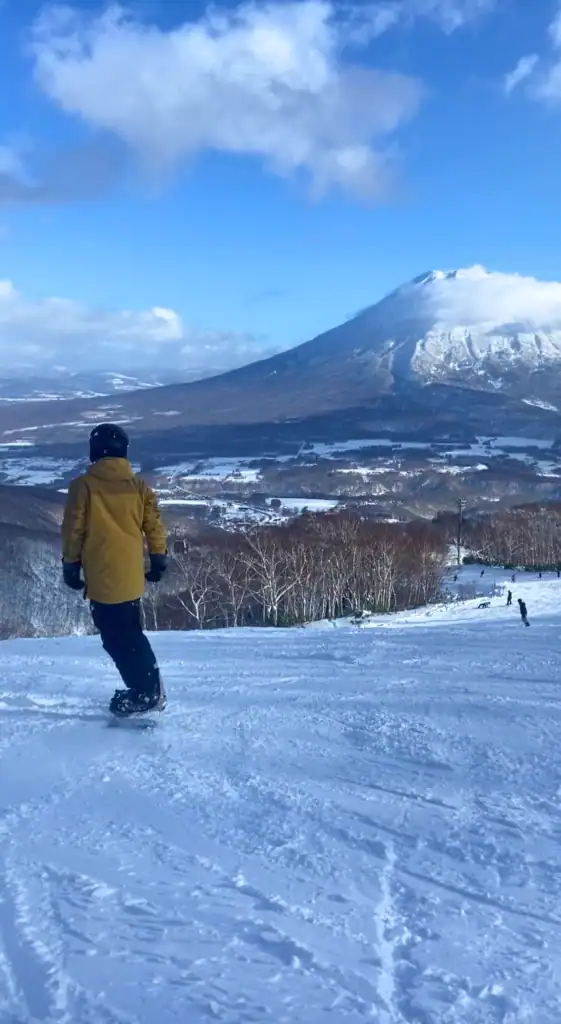
Japan Ski Trip by Seasons:
Early Season:
The early season in Japan runs from Opening Day (Typically mid-November to early December) until just before Christmas. At this time, the snow is starting to fall regularly, but the base is still forming, meaning it’s unlikely that all runs will be open – particularly more challenging terrain and tree runs that require a deeper base.
While the conditions can be variable, the beginner runs are often in great shape, and crowds are much smaller.
Who it’s Best for:
Early season is the perfect time to visit for beginner riders who are looking for a budget-friendly ski trip. It’s a particularly good time to consider if you’re already in the country and looking for a nice, easy introduction to skiing in Japan.
Holiday Season:
I would classify the Christmas to New Year period in Japan as early season still. Depending on where you are in Japan, the base will likely still be forming, and you’re not yet guaranteed much fresh snow or any powder days (Hokkaido would be the most reliable area for snow over this period).
While I’d technically still call it early season, it really needs its own category as crowds increase considerably, and prices for everything from accommodation to lift tickets also rise. While Christmas isn’t celebrated quite as widely in Japan as it is in Western countries, most resorts will still make an effort to bring a bit of festive cheer, with carols, Christmas trees and Christmas lights popping up in most places – although they can’t quite compete with a white Christmas in North America or Europe, so if you’ve holidays there over Christmas before, temper your expectations a little.
Who it’s best for:
The Holiday season is a great time for family holidays and anyone looking for a white Christmas. While a more expensive time within the Japanese season, it’s typically a more affordable option over Christmas than most resorts in Europe & North America.
Peak Season:
Peak season runs from early January through to mid-February. At this point in the season, you can expect pretty consistent snow and a number of powder days (although snow is unpredictable and every season is different – I’ve also had rain when visiting in February). Most chair lifts and runs should also be open by this point, with a pretty solid base in all areas. Along with the snow, the crowds also increase. Those seeking serious powder days will choose to book their holidays for this time, and the Australian School Holidays mean there will be lots of young families around.
Another busy time on the slopes is Chinese New Year (or Lunar New Year), while the exact date changes from year to year, it generally falls from Mid-January to late February. This holiday can get extremely busy, with accommodation booking out far in advance and prices rising considerably. Check the dates in advance, and if possible, my advice is to avoid booking your trip during this holiday.
Who it’s Best For
Peak season is best for anyone chasing those famous Japanese powder days. If snow is your main concern, you can afford to spend a little more on accommodation (although affordable options are definitely still out there), and you don’t mind battling a few crowds – this is the time for you.
Late Season:
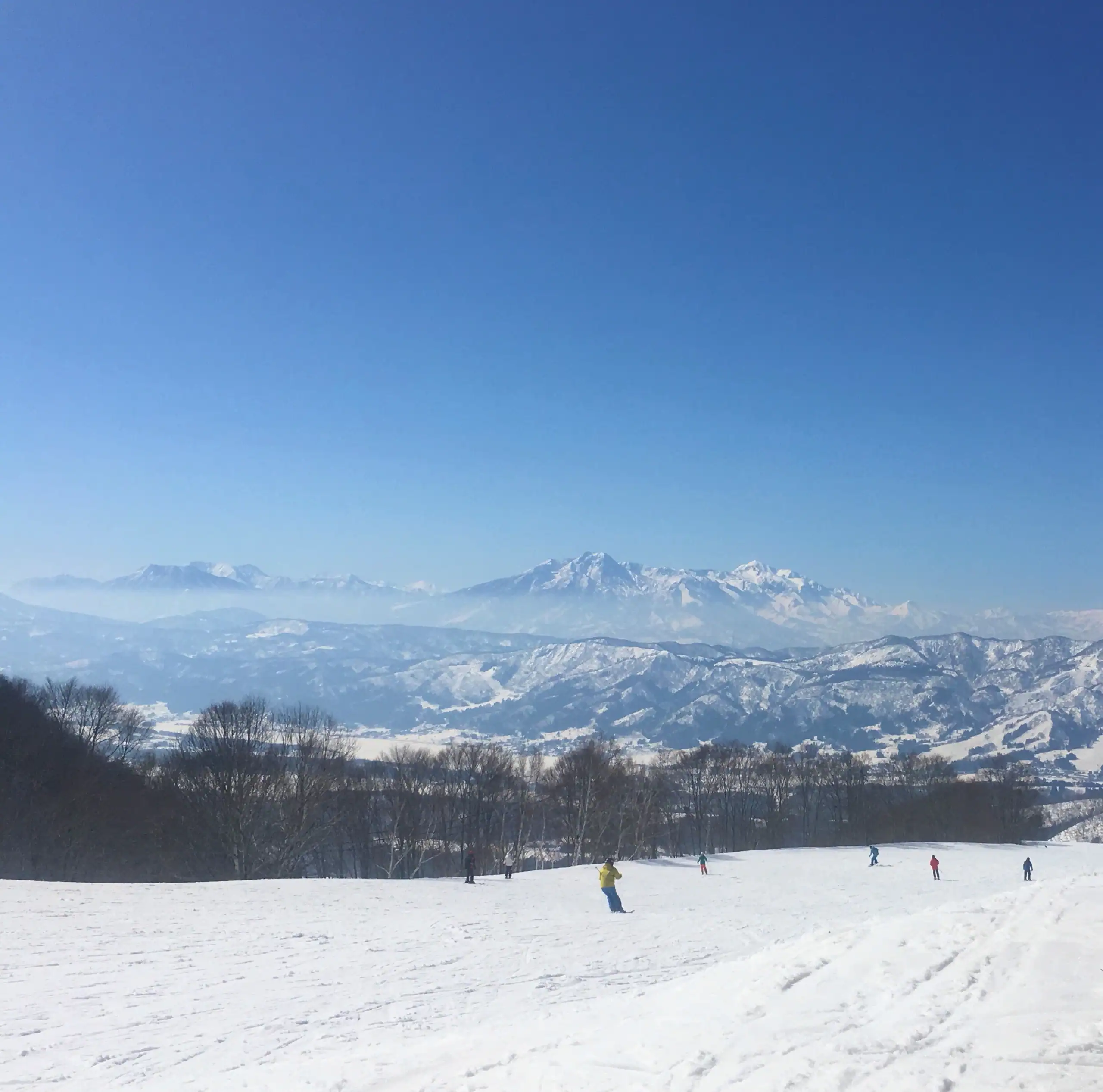
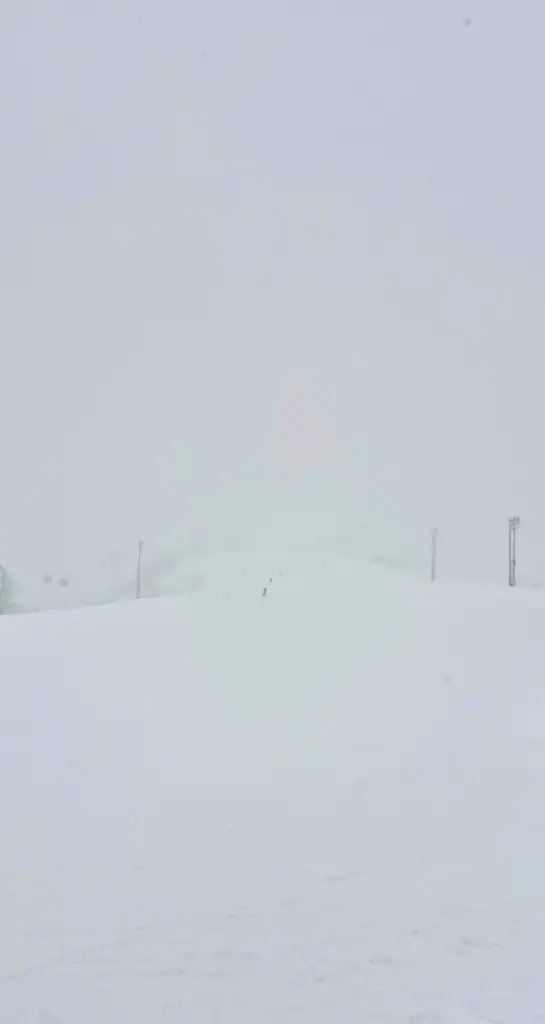
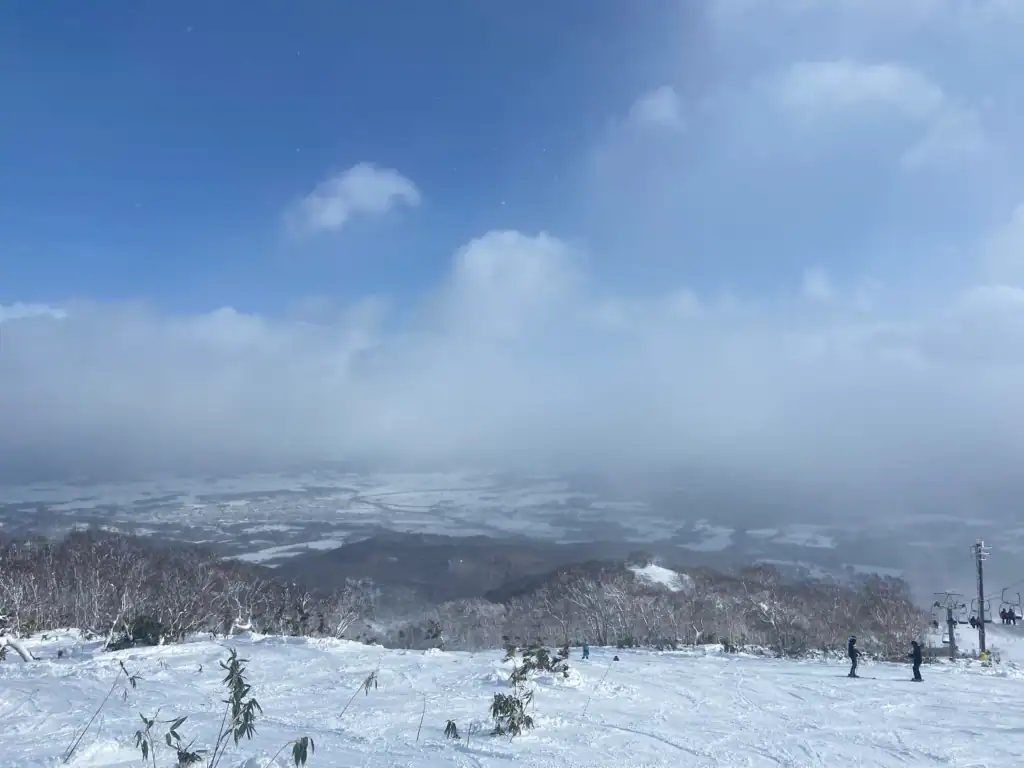
From Mid-February through to the end of the season (anywhere between April and May, depending on the mountain) is late season. Late season can be quite hit or miss in Japan. You will often still get great snow through to the end of February and early March; however, the chance of rain also increases with the warmer temps in March. Even with a bit of rain, though, late season can be a great time to visit, as you’ve still got a great base, which means most terrain will still be open. You’re also more likely to get sunny bluebird days now, as with the deep powder of peak season, often also comes cloud and fog (see photo above for a beautiful peak season day). Accommodation and lift ticket prices will also often reduce after peak season, and crowds will generally thin out.
If you wait until right before the end of the season (April-May). You will be able to grab some real bargains on accommodation; however, your skiing options may be limited, with some runs and chairs starting to close due to a lack of coverage. On the plus side, you won’t have to wait in any lift lines.
Who it’s Best for:
Late season is a great option for any budget-conscious riders. Come at the start of late season, and accommodation will be cheaper than peak season, and your odds of getting some good snow are high. Or wait until closer to the closing date, and snow coverage won’t be quite as good, but there will be plenty of bargains to be had for accommodation and lift passes.
Japan’s Top Ski Regions
Hokkaido:
Hokkaido is the northernmost island of Japan, situated right above the main island of Honshu and about an hour and a half flight from Tokyo. There are around 115 ski resorts on Hokkaido, with the most well-known of these being the four Niseko United resorts. Some of the other popular resorts here include Rusutsu and Furano; however, there are countless other small resorts to explore.
Given its northern position, Hokkaido gets the most reliable early-season snow. If you’re travelling late November or in December, these resorts will be your best option – many of the more southern resorts won’t open in November at all. While resorts on this island tend ot be slightly lower in elevation, the northern position means temperatures say lower, this means resorts in Hokkaido can typically operate from late November to mid/late -April.
If you’re thinking of heading to Niseko, check out my guides on Where to Stay in Niseko and How to Get to Niseko.
Tohoku:
Tohoku is a region in the northern tip on Japans’ main island, Honshu. It’s approximately a five-hour drive or two and a two-and-a-half-hour bullet train, north of Tokyo. There are around 80 ski resorts in this region, with the most famous being Zao Onsen and Appi Kogen. In general, the Tohoku resorts tend to be quieter and cheaper than both Hokkaido and Nagano resorts. While they are continuing to gain traction with foreign visitors, they still retain something of an undiscovered, traditional Japanese feel. You won’t find the big westernised villages here (which can be a nice change after spending time at Niseko or Hakuba). However, what the resorts lack in infrastructure is more than made up for with terrain and snow.
Some of the major resorts in Tohoku will open at the end of November; however, most will commence in early December. Typically, these resorts run through to the end of April or the start of May, depending on conditions.
Nagano:
The prefecture of Nagano is located west of Tokyo on the main island of Honshu. It’s an approximately three-hour drive from Tokyo to the city of Nagano, with most of the resorts not too far from here. Within the prefecture, there are just under 100 different resorts to choose from. The most popular of these are Hakuba and Nozawa Onsen. Some smaller resorts like Shiga Kogen and Madarao have been gaining a lot of attention recently, though and are starting to see a big increase in visitors. There are lots of hidden gems in this area, where you can have a more traditional Japanese experience without the crowds that the bigger resorts attract –
– Pro Tip –
When picking a resort for your trip, make sure you do your research and know what sort of stay you want, as a lot of the smaller, more traditional resorts won’t have much in the way of a village, restaurants or an apres scene.
Resorts in Nagano typically operate from early December through to mid/late April; however, some of the higher elevation resorts here will stay open through to early May. This is, of course, weather-dependent, though, and changes from year to year as while Honshu resorts tend to have a higher elevation, they do get slightly warmer than the northern Hokkaido resorts.
If you’re thinking of heading to Hakuba, check out my comparison guide on the Hakuba Valley Ski Resorts and my How to Get to Hakuba guide.
So, When are the Best Times to Ski in Japan?
- Best for powder: January to mid-February
- Best for smaller crowds: early Dec, March & April (May if the resort is open)
- Best for budget travel: late season (March & April)
When Should You Book Your Japan Ski Trip?
Regardless of your preferred travel time, booking early is always a good idea. This way you can take advantage of early bird offers on accommodation, rentals (if your getting them) and depending on the length of your trip, even early bird season pass prices.
Most accommodation providers will release bookings for a season when the prior season finishes. For example, if you’re planning your 2026/27 Japan trip, the best time to start looking is at the end of the 2025/26 season. You can get in touch with providers directly if there is somewhere you’ve got your eye on (some places will even have wait lists you can join if they aren’t quite ready to release accommodation yet). Otherwise, keep an eye on booking engines such as booking.com, as accommodation won’t all come out at one time. A good idea can be to talk to a local accommodation provider (most ski areas have at least one or two big ones for that resort) who can give you the insider details on exactly when bookings will be released for their accommodation.
If you’re planning on travelling during the holiday or peak season – particularly Chinese New Year – you will need to get your accommodation booked as soon as possible, otherwise you’ll be left with only the overpriced or unsavoury options.
If you want to travel early or late season, you will have a little more flexibility with your bookings as these periods don’t fill up quite so quickly. For anyone looking to book last-minute, you’re better off aiming for late season.
Ready to Ride Japan?
Regardless of when you choose to travel or what conditions you end up getting, a Japan Ski Trip will be something you never forget. So why not join the rest of us Japan tragics and start planning your trip today. Have you got questions on any other aspect of the planning process? Let me know in the comments below.
Extra Resources for your Japan Ski Trip
This guide will show you the best time to travel to Japan, but the resources below will help you organise everything else for your trip.
Stay Connected
Japan eSIM – Essential for navigation, translations, transport apps, and booking reservations on the go. I always use Airalo as I know I’ll be getting a reliable and affordable service
Currency
Japan uses the Yen. Most places take card, but it’s still worth carrying some cash for smaller operators.
Accommodation
Hotels & Lodges in Ski Resorts – Look for ski-in/ski-out options or places close to shuttle routes for convenience. Find accommodation through Booking.com, or check out resort-specific experts, as most resorts will have a local provider.
Lift Passes, Tours & Experiences
Ski passes & snow activities – Booking in advance can save time and money; however, many accommodation providers offer discounted rates, so check with your hotel or accommodation provider.
Guided backcountry tours – Ideal for exploring the backcountry safely and with local knowledge. If you’re heading to Niseko, I recommend Niseko Photography and Guiding, they do great tours with really friendly and knowledgeable guides. However, most resorts will have a number of options available.
Lessons – Most resorts will have their own ski school, however check with the resort as some of the smaller hills may not do English lessons. There are often private ski schools that can cater for English speakers if the resort cant.
Non-ski activities – experiences like snowshoeing and tobogganing are available at most resorts. Check out Klook and Get Your Guide for lots of options, or check directly through the resort website.
Gear & Rentals
Ski & snowboard rentals – Convenient if you don’t want to travel with equipment, however If possible, I recommend bringing your own boots and just hiring your Ski’s or Board. Rhythm Japan have stores at lots of resorts across Japan and offers a large range and great quality gear.
Travel Essentials
Travel insurance that covers skiing – Look for comprehensive insurance with snow coverage. As an Australian, my favourites are 1 Cover for typical insurance, or if you have travel insurance already and just need snow cover, check out flip insurance for affordable, dedicated medical snow coverage. Whoever you go with, though, make sure to check the PDS to ensure they cover the type of riding you’re looking to do.
FAQ’s
The best times to ski in Japan depend on what you’re prioritising. For consistent snowfall and deep powder, January and February are the sweet spot. If you’re looking for smaller crowds and cheaper accommodation, early December, March and April can be great options.
Yes, especially if you’re a beginner or travelling on a budget. Early season runs from late-November or early December until just before Christmas. While the base may still be forming and not all terrain will be open, beginner runs are often in good condition and crowds are much smaller. It can be a great introduction to a Japan Ski Trip.
Late season, particularly March and April, are generally the most affordable times to visit. Accommodation and lift ticket prices drop after peak season, and crowds thin out. However, some terrain may be closed depending on snow coverage.
Booking early is always recommended, especially if you plan to travel during peak season or over the Christmas and New Year holidays. Lots of accommodation providers will release availability for the following season as soon as the current one finishes. If you’re travelling early or late season, you’ll usually have a bit more flexibility, and last-minute trips are more realistic outside peak periods.