
Japan Ski Trip Packing List: What to Wear Skiing in Japan
This post may contains affiliate links. If you purchase through one of these links, I may earn a small commission at no extra cost to you. I only recommend products and services I genuinely believe will help your trip.
Introduction
Skiing in Japan is great; however, you don’t always know what you’re going to get. You could be sweating through your layers while riding fresh powder one day, and the next, trying to keep warm in -20°C (-4°F). That’s what makes packing for a ski trip so difficult and why I’ve put together this comprehensive Japan ski trip packing list. Here I’ll cover exactly what to wear skiing in Japan, from base layers through to village wear and onsens.
If you’re heading to Hakuba and wondering where to base yourself, check out my guide on the Hakuba Valley Ski Resorts
Contents
- Understanding Japan’s Winter Conditions
- Base Layers
- Mid Layers
- Outer Layers
- Essential Accessories
- Backcountry Essentials
- Footwear and Village
- Onsen Visits Tips
- Japan Ski Trip Packing Checklist
- FAQ’s
- Extra Resources
Understanding Japan’s Winter Conditions
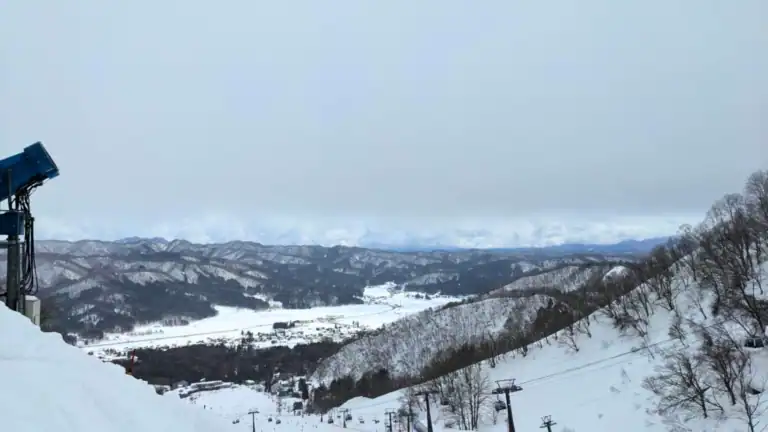
Temperatures in Japan typically range from -3°C (26.5°F) to -15°C (5°F), with resorts in Nagano (where Hakuba & Nozawa Onsen are located) generally slightly warmer than those in Hokkaido. While rain in Japan is rare, it does happen, and it’s worth planning for (my first Japan ski trip was all rain). So it’s important to make sure your gear is suitable for all conditions – you don’t want a bad jacket choice to ruin your day.
Base Layers: Your First Line of Warmth
Arguably, the most important part of your ski trip packing list is your base layer. The most common base layers are a thermal top and thermal pants, and if you’re relatively new to the snow, this would be my recommendation too. Good thermals can keep you warm in the coldest of temperatures, while helping regulate your temperature so you don’t get too hot.
Buying a good thermal can be tricky; prices can range quite significantly, and in a lot of cases, you do get what you pay for. If you can afford it and think you’ll get a lot of use out of it, I’d recommend spending the extra money for high-quality garments. Brands like Kathmandu, Arc’teryx, and Patagonia are good options. However, if, like most of us, you’re on a budget or can’t bring yourself to splash that much cash on something you might not use regularly, Uniqlo does good, affordable options. If you can time it with one of their thermal sales, it will be an absolute bargain.
For those who run hot or just prefer not to wear thermals, look for breathable materials and try to avoid cotton. Personally, I wear a form-fitting singlet and activewear tights. For me, this is the perfect combination of warmth for my torso and comfort.
Whatever you choose, make sure it’s comfortable, as you don’t want to be peeling off all of your layers and trying to get changed halfway through the day.

Mid Layers: Added Insulation to Stay Warm
Next on your list should be your mid-layers. While your base layer will remain relatively unchanged day to day, your mid-layer will often vary based on the temperatures. As you would expect, a cold day means more or thicker mid layers, and warmer temps mean fewer or thinner layers.
Mid-layers do come down a lot to personal preference and should also be guided by your base layer. For instance, as I don’t wear thermals for my base layers, I generally wear more mid-layers than those who do wear thermals. For me, my mid-layers consist of a loose t-shirt and an oversized hoodie or a fleece, depending on the temperature – I like to keep all of my layers nice and loose, so I don’t feel restricted when I’m riding. If you are wearing thermals and temperatures are reasonable (0 to -10°C/32 to 14°F), you might choose to just wear a fleece as your mid-layer. Or on a warm day, you might just choose a T-shirt.
If you expect temperatures to fluctuate during the day (this can be particularly relevant during spring, where you get cold crisp mornings and warm days), you might choose to wear a couple of layers, so you can remove one as the day warms up.
Outer Layers: Protection Against Snow & Wind
Your outerlayer is what stands between you and the weather. It needs to be able to keep you dry on the wet days, be breathable on warm sunny days, and also keep you warm in the freezing temperatures. It’s not practical to travel with multiple outerwear options, so you need to find something suitable for all conditions.
When looking for outerwear, there are three main things to consider: waterproofing, breathability, and insulation.
Waterproofing is measured in millimetres (mm) with ratings typically from 5K through to around 20K. I wouldn’t bother with anything 5-10K unless you’re confident you’ll be getting only warm days or the driest of powder. If you’ve got any moisture coming your way, I’d recommend 10-15K. 20K+ is good if you’re going to be using your jacket in notoriously wet places like Australia; however not typically necessary for Japan.
Breathability is measured in grams per 24 hours. The ratings for this are similar to waterproofing, with the typical range being 0 to 20K. Materials rated up to 10K will have limited breathability and are best suited for those who aren’t going to be doing anything to raise a sweat. Anything 15-20K is pretty well suited to resort riding, with 20K+ best if you’re planning on touring. If you’re a beginner, you’re probably going to be working pretty hard, so something around the 20k mark would probably be best.
– Important Tip –
The Breathability of your outerwear will only be effective if your base and mid layers are breathable too, which they won’t be if you’re wearing cotton…
Insulation is the third thing to check when picking your jacket. This is rated in grams per square metre (gsm). As a general rule, 50-100gsm is best suited for spring skiing or warmer conditions, and 100-200gsm is best for colder climates. A 100gsm jacket would keep most people happy on Japanese slopes, as you’ll always have the option to add an extra mid-layer or remove one depending on the conditions. The other thing to watch out for when it comes to insulation is shells. Some people will opt for a shell, which are really thin jackets or pants that will have minimal insulation. They are popular due to their versatility, as they can either be worn over lots of layers or used for warm days. If you get cold easily, I wouldn’t recommend it, though, as you’ll need to wear lots of mid-layers to stay warm.
As I’m sure is no surprise, when it comes to pricing, the higher the waterproofing, breathing, and insulation ratings, the higher the price will normally be. If you can, try and shop in the end-of-season sales as you can grab some great bargains, or check out secondhand gear if you’re just starting out and not sure you’re ready to make a big financial commitment.
– Packing Tip –
If you’re worried about fitting your bulky outerwear into your suitcase, grab some vacuum seal bags (you can pick up an affordable pack from Amazon with a travel-friendly pump). You’ll be amazed by how small they can pack down.

Essential Accessories for your Japan ski Trip
In addition to your base, mid, and outer layers, you’re going to want to pack the following:
Ski socks
Some people will say any old long sock will do, but I disagree. If you ask me, a good ski sock can mean the difference between nasty blisters, painful pressure points, and happy feet. Look for a firm-fitting merino wool or a synthetic sock that finishes just short of your knee. You want it to sit higher than your boots, and it should be the only thing between your boot and leg. Don’t let your thermals or tights sit underneath, as this can cause rubbing.
Goggles
Goggles are very much a personal choice, with so many options on the market these days, you won’t have too much trouble finding a style you like. You can either go for a universal lens that is suitable for all conditions or find a goggle with interchangeable lenses so you can swap between low light and high light depending on the weather. Personally, even though it’s a bit more effort, I like to use interchangeable lenses as I think they’re a bit more effective.
Lenses aside, the most important thing when buying goggles is to ensure you get a nice, snug fit. You don’t want any gaps between the goggle lining and your face, or any layers (e.g, beanies, facemasks), as this is when you’ll have problems with fogging.
Gloves/Mitts
No one likes cold hands; that’s why a good pair of gloves or mitts is necessary. While gloves can be convenient as you still get use of your fingers, if you tend to get cold hands, I highly recommend mitts. The skin-to-skin contact between your fingers in mitts keeps your hands warmer, and you’ll never find me riding in gloves again.
Balaclava / Neck Sleeve
These are great for keeping your skin covered; they will provide an element of protection from both wind and snow and keep your face from freezing. Sleeves are good if you just want chin and cheek coverage, or a balaclava for full face protection.
Helmet
A good helmet can quite literally be a lifesaver. If you’ve got a comfortable, well-fitting helmet, bring it with you; otherwise, you should be able to pick one up for a small fee at most rental shops, where they will ensure you’ve got a proper fit.
Beanie
Beanies (or Toques for the Canadians) are an essential snow accessory, good both on and off the slopes. You won’t catch me anywhere near the snow without a few beanies to choose from.
Ski Equipment
If you’ve got your own gear that you’re comfortable on, it can be a great idea to bring it with you. However, sometimes lugging around a big snowboard bag is too inconvenient, or you don’t have the right gear for the conditions, for example skis that are narrow underfoot when you’re expecting deep powder. In these cases, rental gear is the answer. Most shops will have a large range and offer standard packages for the budget-conscious and premium packages for higher quality gear.
My recommendation: If you’ve got the room, bring your own boots. It can be fun to try out a different set of skis or a board, particularly if you’ve opted for premium equipment. However, even with the premium package, the boots often aren’t great, particularly if you don’t have a regular-shaped foot or like a bit of customisation.

Backcountry Essentials
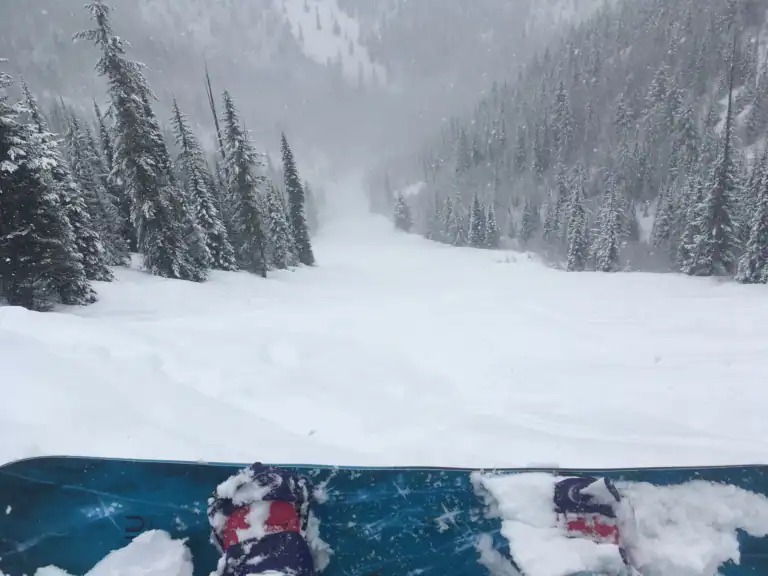
Japan is well-known for its varied and easily accessible backcountry. If you’re planning on getting off-piste and checking out the glorious Japanese backcountry, make sure to consider the following:
Avalanche gear
This one goes without saying: don’t leave the resort without basic avalanche gear like a beacon, shovel, and probe, and the ability to use them. Many ski shops in Japan rent avalanche gear and can provide a basic rundown on its use. However, if you’re not already familiar with how they work, you shouldn’t be heading out alone.
Touring Equipment
Don’t overestimate the importance of a proper touring setup. Touring skis or a split board can make your traverse that much easier. Although if you don’t have them, and don’t want to pay for a rental. Snowshoes can make a solid budget-friendly alternative and can also be rented at most resorts.
If you’re not familiar with the terrain but keen to get out there, look into hiring a backcountry guide. While not overly cheap, backcountry guides in Japan are relatively easy to find and can be well worth the money. These experts can show you the best places to go, while ensuring you stay safe.
If you want to learn more for yourself, you can also do an avalanche course at many of the resorts. This is the best way to set yourself up for future backcountry trips.
Footwear & Village attire
Japanese ski villages are often set up right at the base of the hill, which means you’ll likely be navigating through snow even off the slopes. To ensure you stay warm and dry at all times, make sure to pop the following on your packing list.
- Waterproof snow boots – something that goes above the ankles is my recommendation, otherwise you may end up with snow in your shoes.
- Warm socks – save your ski socks for the slopes and look for a nice thick, woolly sock.
- Thick or Puffy jacket – warm is best; however, something with a slightly waterproof or water-resistant outer will keep you dry on snowy or wet days.
- Yaktrax/Microspikes – If you’re a bit unsteady on your feet or worried about taking a fall, these removable spikes can be a great option.
- Gloves – For everyday use when wandering around the village, a lightweight woollen or fleece-lined pair of gloves can do wonders.
Onsen Visits Tips
You can’t go to Japan and not visit an Onsen. While it might seem a bit uncomfortable at first, after your first soak in the warm mineral waters, you’ll be converted.
It may strike you as a bit ironic to have a packing list for the activity you do without clothes; however, there are a few things to be aware of before your first experience:
- Most onsens are separated by gender, with swimwear not permitted. A small ‘modesty’ towel can be carried with you into the room – Just don’t let it touch the water, as this is seen as rude. (Most onsens will either include towels in the entrance fee or provide them for a small fee)
- If you have an onsen within your hotel, chances are they will provide robes for you to wear there and back. Otherwise, consider bringing something loose and flowing, which is easy to get on and off.
- Ensure you wash thoroughly before entering the water. Onsens have an area with showers and stools where you can wash yourself before hopping into the water. It’s expected that you are totally clean before bathing.
- If you’ve got long hair, make sure this is tied up and not touching the water, as this can be seen as polluting the water.
- There are a small number of mixed onsens or konyoku, you’ll generally find at least one of these in the more touristy areas – like popular ski resorts. These will often provide towel-like swimwear, referred to as modesty sacks, and are a great option if you’d like to experience the onsen with your partner or without the nudity.

Japan Ski Trip Packing List
After multiple ski trips to Japan in a range of conditions, this is the exact packing list I rely on:
- [ ] Base layers
- [ ] Mid layers
- [ ] Outer layers
- [ ] Accessories
- [ ] Helmet
- [ ] Gloves/Mitts
- [ ] Goggles
- [ ] Socks
- [ ] Neck Sleeve/Balaclava
- [ ] Beanie
- [ ] Village Attire
- [ ] Snow boots
- [ ] Warm socks
- [ ] Warm jacket
- [ ] Gloves
- [ ] Yacktrax
- [ ] Toiletries
- [ ] Ski Equipment
- [ ] Skis
- [ ] Stocks
- [ ] Snowboard
- [ ] Ski/Snowboard Boots
- [ ] Electronics / Tech
- [ ] Power Adapter
- [ ] Power Bank
- [ ] Charging Cords
- [ ] Camera
- [ ] Kindle
- [ ] E-Sim
- [ ] Headphones
- [ ] Miscellaneous
- [ ] Reusable water bottle
- [ ] Medication
- [ ] Cash (Yen)
- [ ] Bank Card/Credit Card/Travel Card
- [ ] Tissues
- [ ] Passport
- [ ] Pre-completed online arrivals form QR Code
- [ ] Vacuum seal bags for bulky ski gear
For more winter vacation inspiration, check out my Canada and Australia guides
FAQ’s
For a Japan ski trip, focus on layering and versatility. Conditions can change quickly, so your packing list should include breathable base layers, adaptable mid-layers, and a waterproof outer shell. Accessories like quality ski socks, mitts, goggles, and a neck sleeve are essential, as is warm waterproof village footwear for snowy streets. Don’t forget items for off-slope activities too, such as onsen visits and exploring ski towns.
If you prefer convenience, most ski resorts in Japan also offer excellent rental options for both equipment and clothing.
It depends where you’re comparing it to. Temperatures in Japanese ski resorts often sit between -3°C and -15°C, similar to many North American resorts. However, Japan’s cold can feel more intense.
The biggest difference to consider isn’t the temperature – it’s the snowfall. Deep powder and occasional wet conditions make proper waterproof gear more important than extreme insulation.
Yes. Many ski resorts in Japan offer ski clothing rentals, including jackets, pants and helmets. This is a great option if you’re travelling light or skiing for the first time.
Be aware that rental quality can be variable and sizing limited during peak season. If you already own well-fitting outerwear, bringing it with you can be more comfortable and reliable.
You won’t wear anything inside the onsen, but what you wear to and from it matters.
Most hotel onsens provide robes, but if not, bring something loose, warm, and easy to change in and out of. A small towel is usually provided or available for hire. Remember:
-Swimwear is not allowed
-Tie up long hair
-Wash thoroughly before entering the water
Onsens are one of the best parts of a Japanese ski trip – don’t skip them.
In most cases, no. Popular ski resorts like Hakuba, Niseko and Nozawa Onsen are well connected by trains, buses, and resort shuttles. Accommodation is often within walking distance of lifts or shuttle stops.
A car can be helpful if you’re staying in quieter, more affordable areas or want flexibility, but it’s not essential for most travellers.
At least two full on-mountain outfits (socks, base & mid layers) are ideal. This allows one set to dry while you use the other – especially useful during snowy or wet conditions. However, this comes down to personal preference and the availability of washing facilities.
Extra Resources for Your Japan Ski Trip
This Japan ski trip packing list covers clothing and gear, but the resources below will help you organise everything else for your trip.
Stay Connected
- Japan eSIM – Essential for navigation, translations, transport apps, and booking reservations on the go. I always use Airalo as I know I’ll be getting a reliable and affordable service
Currency
- Japan uses the Yen. Most places take card, but it’s still worth carrying some cash for smaller operators.
Accommodation
- Hotels & Lodges in Ski Resorts – Look for ski-in/ski-out options or places close to shuttle routes for convenience. Find accommodation through Booking.com, my go-to for hotels and lodges.
Lift Passes, Tours & Experiences
- Ski passes & snow activities – Booking in advance can save time and money, however many accommodation providers offer discounted rates, so check with your hotel.
- Guided backcountry tours – Ideal if you want to explore safely with local knowledge. Niseko Photography and Guiding do great tours in Niseko with really knowledgeable guides.
- Transfers – Book your transfers in advance for convenience and peace of mind. You can organise train or bus transfers through Klook or directly through the Shinkansen company.
- Non-ski activities – Snowshoeing, cultural tours, and food experiences are easy to add on rest days Check out Klook and Get Your Guide for lots of options.
Gear & Rentals
- Ski & snowboard rentals – Convenient if you don’t want to travel with equipment. Rhythm Japan have stores at lots of resorts across Japan and offer a large range and great quality gear
Travel Essentials
- Travel insurance that covers skiing – Look for comprehensive insurance with snow coverage. As an Australian, my favourites are 1 Cover for typical insurance, or if you have travel insurance already and just need snow cover, check out flip insurance for affordable, dedicated medical snow coverage. Whoever you go with, though, make sure to check the PDS to ensure they cover the type of riding you’re looking to do.
- Luggage forwarding services – Send ski bags ahead and travel hands-free between cities – Yamato (Black Cat) offers an awesome reliable service. Do check the delivery times though, as some destinations will take a day or two to arrive.