Skiing in Japan: Everything You Need to Know for Your Japan Ski Trip
This post may contain affiliate links. If you purchase through one of these links, I may earn a small commission at no extra cost to you. I only recommend products and services I genuinely believe will help your trip
Dreaming of a Japan Ski Trip, but not sure where to start with planning? You’ve come to the right place! Japan is one of my favourite places to ski, but with so many resorts to choose from, a foreign language to navigate and a new culture to learn, it can be difficult to know where to start.
That’s why I want to share all the little nuggets of wisdom I’ve picked up over the years. While the country has changed a lot since my first visit in 2008, the following tips have been tried and tested time and time again, including in my latest ski trip in early 2026. Read on for everything you need to know to go skiing in Japan, from when to go, where to visit, what to pack and how to get there.
Quick Booking Guide
Planning Your Trip? Start Here
Find Accommodation on Booking.com
Book Tours with Get Your Guide
Book Transfers with Klook
Get your eSIM from Airalo
Quick Japan Facts:
There are over 500 ski resorts in Japan, which means there is a resort suitable for every ability, and you’ve got no shortage of choices. The most popular regions for skiing are Hokkaido, Tohoku and Nagano.
Season dates: November/December – April/May
Average Snow in Japan: 7–15 meters (25 to 50 feet) across Japan’s mountainous areas
Hokkaido: 12 to 16 meters (approx. 40–52 feet)
Tohoku: 8-10 meters (26-33 feet)
Nagano: 10 to 13 meters (33-42 feet)
Average Temperatures:
Hokkaido: -3∘C to -15∘C (27∘F to -5∘F)
Tohoku: 1∘C to -10∘C (34∘F to 14∘F)
Nagano: 2∘C to -6∘C (35∘F to 25∘F)
Average elevation:
Hokkaido: 1,000m
Tohoku: 1,300m
Nagano: 1,500m
When to Travel:
Snowiest month: January
Busiest months: January & February
Cheapest months: December, March, April & May
Early Season: Running from resort opening to mid-December, there isn’t always a lot of snow at this time, and the chances of all lifts being open are slim. It is, however, an affordable time to visit as accommodation and lift passes are generally discounted, and slopes are normally empty. Early season is great for beginners who will be spending their time on the green runs and want to learn without the crowds that come later in the season.
Holiday Season: By the time Christmas comes around, you can expect a bit more snow – Hokkaido is definitely more reliable at Christmas time than the more southern resorts, where snow isn’t guaranteed. Crowds increase substantially at this point, and prices rise as well. The holiday season is good if you’re after a White Christmas (Japan is typically more affordable than Europe or North America at this time of year). However, if Christmas isn’t the draw and your dates are flexible, I would recommend holding off a bit longer for better snow.
Peak Season: From Early January, we move into Peak Season, which is when the snow really kicks up a gear. You’ll often get daily snow and some great powder days between now and mid-February. Prices will stay high throughout this whole period, and you’ll see big crowds. Expect to wait in lift lines at the big resorts, with wait times on powder days at places like Grand Hirafu easily blowing out past 10 minutes to get up the Gondola to the rest of the lifts. If your main goal is powder days – this is the time to travel.
Late Season: Towards the end of February, we move into late season. From February into March, the snow is generally still fairly consistent, with powder days not too rare. However, the warmer temps in March bring with them a stronger chance of rain. As March progresses, you’ll see the crowds thin out and prices drop, but lifts will also start to close as the base gets impacted by more sunny and rainy days. Conditions in April can be quite variable and, as with early season, are best suited for beginners. The same goes for May if the resort makes it that long.
Read the full breakdown of the best time to visit Japan for a ski holiday.
Where to go
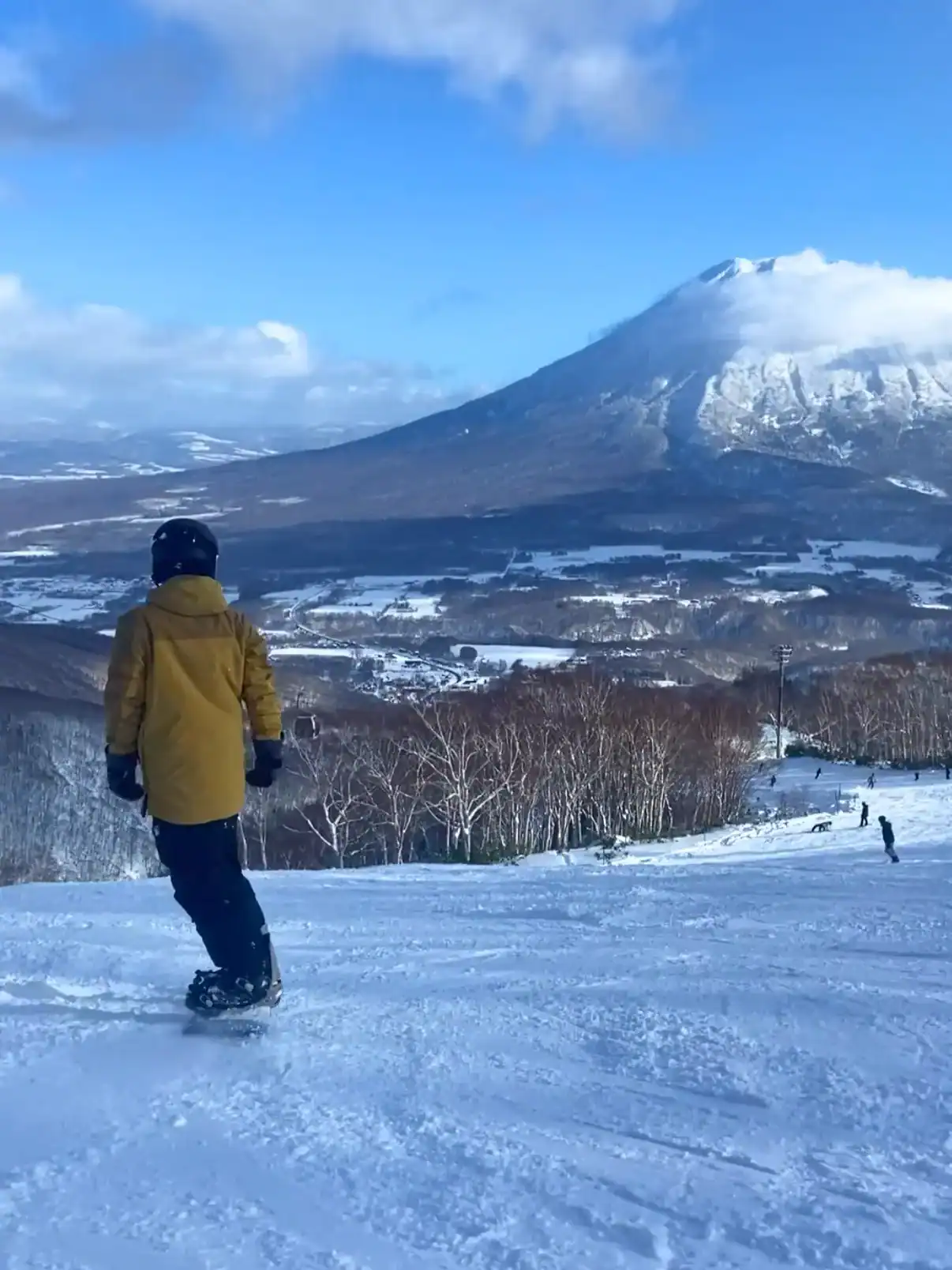
There are three main snow regions in Japan, these are Hokkaido, Tohoku, and Nagano.
Hokkaido is the northernmost island of Japan, the capital is Sapporo, and there are approximately 115 resorts. The most popular of these are the Niseko United resorts, Furano and Rusutsu. However, many smaller local resorts exist, and you can find plenty of hidden gems if you explore a little.
Niseko United is made up of four separate resorts: Hanazono, Grand Hirafu, Niseko Village and Annupuri. Each of the four resorts has a different vibe and feel. Grand Hirafu is the most popular and has the only real village of the four. Here you will find lots of shops and restaurants, as well as a couple of convenience stores. Access throughout the resorts is possible via the lift system when snow allows, or via the Niseko United shuttle. The resorts can all be ridden on the single Niseko United lift pass, which also provides free access to the shuttle.
Best for: Early season reliability & deep powder
Nagano is a region of Honshu, Japan’s main island, and sits approximately 3 hours west of Tokyo. There are just under 100 resorts in this region, with the two most popular being Hakuba Valley and Nozawa Onsen. The region is getting more and more popular each year, with visitation increasing to some of the smaller resorts such as Madarao and Shiga Kogen.
Hakuba Valley is made up of 10 individual ski resorts laid out across the Hakuba Valley. These can be accessed with just the one lift pass and via the Hakuba Valley Shuttle system. Each resort has a unique feel and varying terrain, so make sure you research them all before deciding where to base yourself. The most popular and busiest of the 10 resorts is Happo-one. Most travellers will find themselves passing through here at least once, as this is where the main bus terminal is. It’s also where you will find the biggest village with lots of accommodation, restaurants and shops.
Nozawa Onsen is a little resort town with one ski hill, approximately 20 lifts (including the gondolas and carpet lifts), and – despite all the tourists – a quaint traditional Japanese feel. As the name suggests, there are a number of Onsens spread throughout town, and even public cooking onsens where you can boil an egg in the hot, sulphur-rich water. While the town is small enough to walk to most places, it is located on a bit of a hill, so if you’re in the lower section, you might want to take the free shuttle up to the slopes each morning.
Best for: Easy access from Tokyo, higher mountains & varied resorts
Tohoku
The Tohoku region is located in the northern tip of Japan’s main island, Honshu. The region has around 80 ski resorts, with the most popular ones being Zao Onsen and Appi Kogen.
Tohoku resorts generally tend to be a bit quieter and cheaper than those in Hokkaido and Nagano. While they are getting more and more popular with foreign visitors, they still retain a more traditional Japanese feel, which you don’t always get in the larger resorts.
Best for: Fewer Crowds & More traditional Feel
When/ How to Book
It’s always a good idea to book early. Typically, resorts start to release accommodation for the next season at the end of the current season. However, most resorts have a local booking company, and it pays to reach out to them during the season before, as they can give you the inside information on when their places are released, and they can also put you on a waiting list if they have one.
If you’re travelling outside of peak or Holiday season, you normally have a little more flexibility with when you book; however, if your dates are set, there is no point waiting.
You can find accommodation through the usual channels like Booking.com and Airbnb; however, the resort itself and local providers will often have listings that you can’t access through the large commercial operators, so always check with them too.
How to get around
How to get to Niseko & How to get to Hakuba
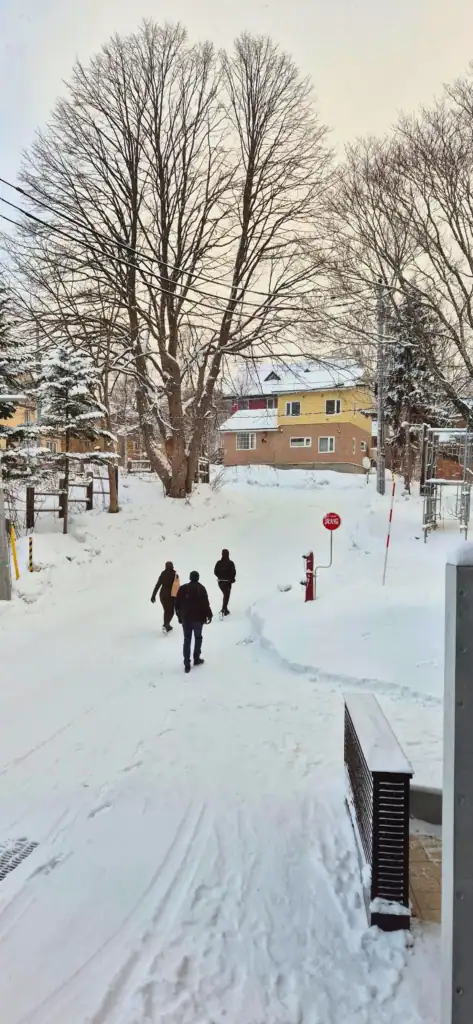
Public Transport in Japan is great and can get you to most places in the country. Local transport is generally pretty affordable, but longer trips, particularly on the Shinkansen, can get pricey. Trains are also typically quite busy, and storage space for suitcases and ski/snowboard bags can be limited or nonexistent. If you would like to take the train/Shinkansen, but are worried about baggage storage – Yamato (black cat) offers luggage forwarding services that allow you to drop your bags off at the airport, train station and some hotels, and they will deliver them to your next hotel. These services usually take a couple of days, so it works best if you’re spending a few days sightseeing before heading to the slopes.
Alternatively, you can generally find direct buses from the airport or the closest major city directly to the resort. The bus can take a bit longer than a Shinkansen; however, it is generally a more convenient way to travel, particularly with lots of luggage. It is worth noting, though, that most of these services will only drop off at a central location within the resort, so you may still have to find your way to your hotel.
For the most convenient way to travel, private transfers will win every time. These will travel on your schedule and pick you up and drop you off at your preferred location – some will even allow you to add in a grocery stop. They are, however, significantly more expensive than bus or train options. If you’re travelling in a large group, it can work out to be good value; otherwise, it’s a choice of money or convenience.
Travelling in winter, it’s also important to be aware of potential delays due to high snowfall. It’s not uncommon that big dumps can shut down train networks and also cause significant delays to luggage forwarding services – so book with caution if you’re travelling in peak season or big snow years.
What to Pack
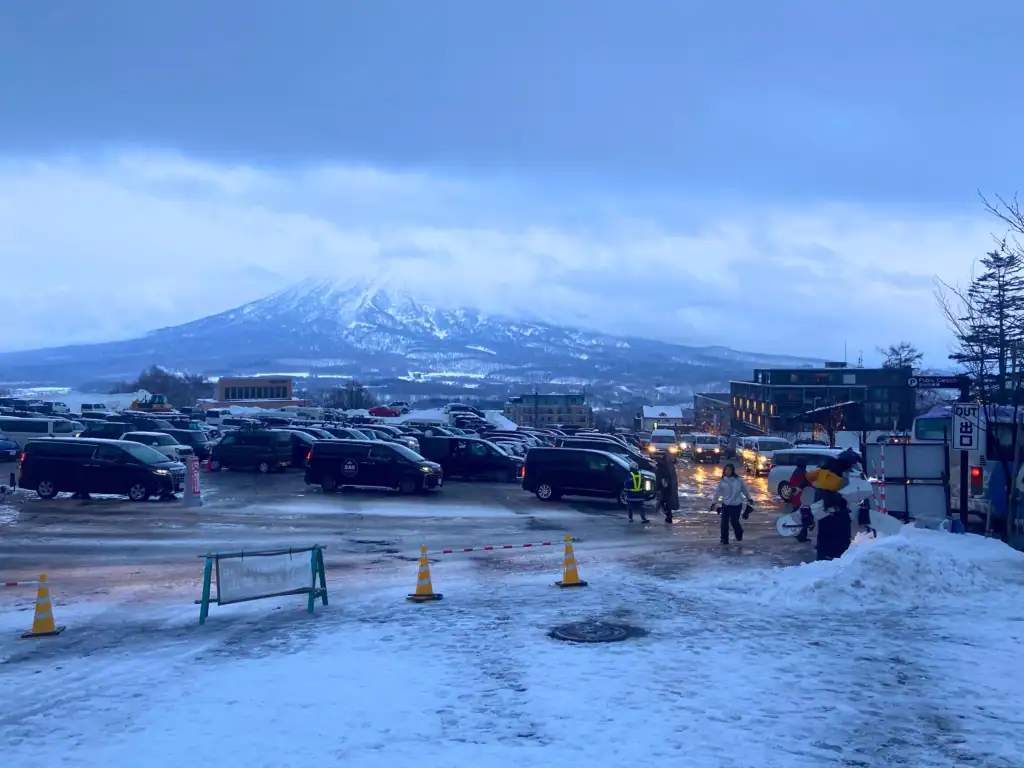
Like any ski destination, the weather in Japan can be unpredictable. When packing for a Japan trip, it’s important to bring plenty of layers, warm clothing and waterproof outerwear. Temps on average range from -3∘C to -15∘C (27∘F to -5∘F), with cold snaps sitting around -20°C (-4°F) and warmer days getting up to around 7∘C (44°F). Make sure you understand the expected temperatures based on the time of your travel and your destination. You also need to take into consideration whether you tend to run hot or cold.
I’ve put together a full Japan Ski Trip packing list here, with everything you will need to stay warm, organised and safe.
Lift Passes
Lift passes vary from resort to resort, with many of the bigger resorts being part of either the Epic, Ikon or Mountain Collective programs. If you already hold one of these passes, check which resorts you get benefits at, as free or discounted lift passes can make a big difference to a budget ski trip – although blackout dates can apply. Generally, lift passes in Japan are significantly cheaper than those in North American or Australian resorts. With prices ranging from around 4,900 yen at smaller hills such as Jigatake to 16,200 yen for a Rusutsu lift pass purchased at the ticket window.
Lessons
Most ski resorts will have an official ski school that they recommend, as well as several private schools. If you’re heading to a busy resort or travelling in peak season, it can be worth looking into the official school, as many of these will get lift line priority. Skipping to the front of the line can make a big difference to your day when there are crowds around and will guarantee you a few extra runs. However, this does mean the official schools can be a bit more expensive.
Although do make sure that the school you’re looking at teaches lessons in English, as some quieter resorts might have limited English-speaking options.
It’s recommended to book your lessons as early as possible, particularly if you’re travelling during peak times, as they do book out.
Rentals
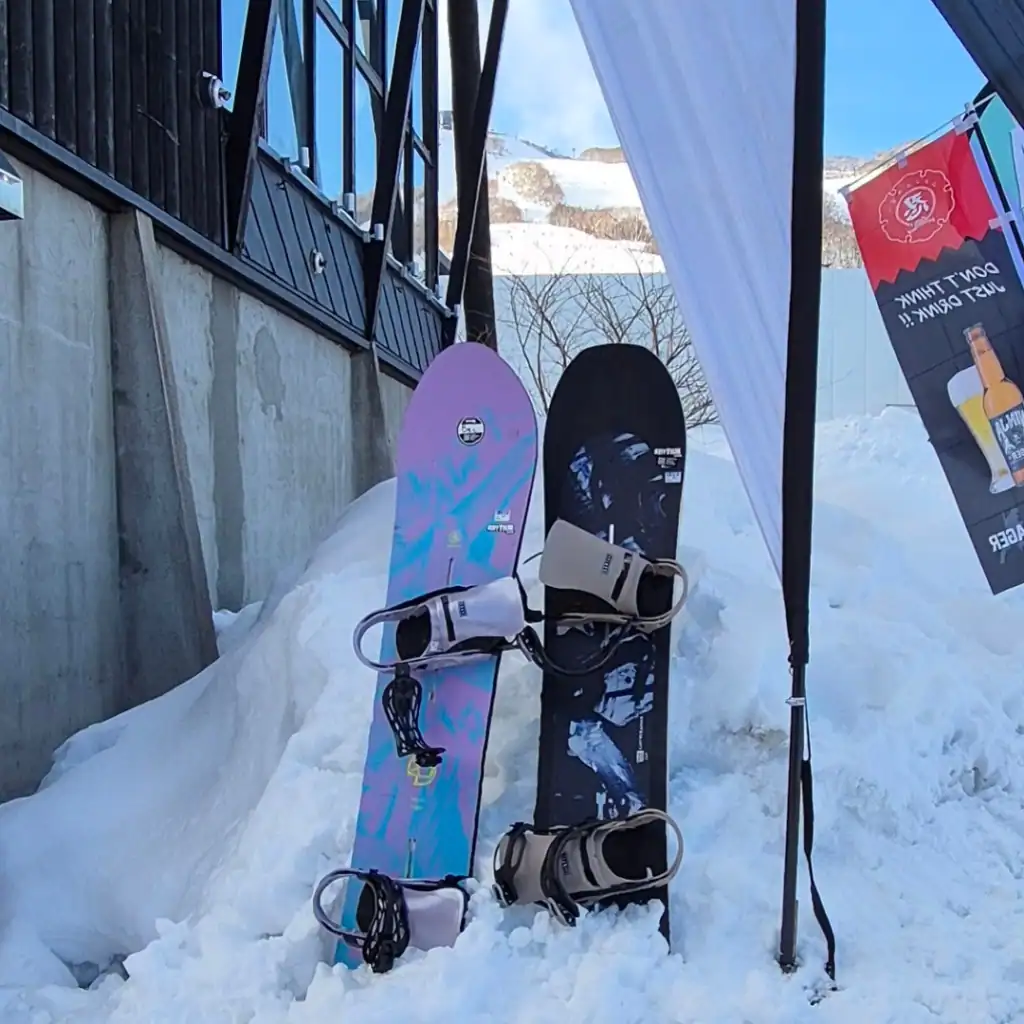
Most Japanese ski resorts will have multiple rental providers, with a range of different quality and priced gear. In my experience, the standard packages are great for beginner to intermediate riders, and the premium packages have a great range of skis and boards for intermediate to advanced riders. However, the boots still leave something to be desired, so I’d opt to bring your own boots if you have some and can fit them in.
Renting can be a particularly good idea if your gear isn’t well-suited to deep powder (I’m talking to all the Aussies out there) and can be a great way to try out some different options. Also, not having to drag a snowboard bag around the airport can be reason enough.
– Pro Tip –
If you do want to bring your own equipment, but aren’t looking forward to lugging it around the countryside – check out Yamato (Black Cat) Luggage Forwarding
Is Skiing In Japan Expensive?
Anyone who has ever gone skiing in Australia or North America before can tell you that it’s not a cheap sport. But that doesn’t mean it should be out of reach for everyone. One great thing about Japan is that you can plan a great ski trip on a budget.
While some people still spend a small fortune on their Japan ski trips, it doesn’t need to be that way. Venturing to some of the smaller, lesser-known resorts is a great way to keep costs down, as accommodation and lift passes will be much more affordable than somewhere like Niseko. Or if you are set on a big resort, consider staying a little further out of town, or look for hostels. Travelling outside of Peak season is also a good way to lower your costs.
As a rough guide, for a one-week ski trip to Nozawa Onsen in early March, you can expect:
- Accommodation: you could find a basic, traditional Japanese twin room for around 87,000 yen (accommodation based on Booking.com availability at Kadowakikan Ryokan).
- Lift Passes: 6 days of lift passes in Nozawa Onsen in March will be 40,600 yen per person when purchased online in advance. However, some accommodation providers can also organise a discount, so make sure to check when you book.
- Food: It’s possible to eat cheaply in Japan; however, if you’re eating out for every meal and getting lunch at on-slope restaurants, it can add up. As a rough guide, 15,000 yen a day can get you a basic breakfast, two meals out and extra snacks for two people.
- Transfers: Transfers from Tokyo to Nozawa will cost around 9,000 yen per way per person. This would set you back roughly 210,000 yen or roughly $2,449 AUD, $1,735 USD, & $2,372 CAD for a trip for 2 (excluding flights).
These costs are quite general and will vary a lot depending on which resort you travel to, whether you’re looking for budget, high-end or mid-range accommodation. There are also additional costs you might need to consider based on your circumstances, such as lessons and rentals. They should, however, give you a rough idea of a mid-range late-season stay.
What else to do while in Japan
If you’ve got a few days to spare, it’s definitely worth spending some time seeing more of the country. Chances are you’ll be commuting through either Tokyo or Sapporo, so why not stay a few days?
A couple of my favourites include:
Tokyo:
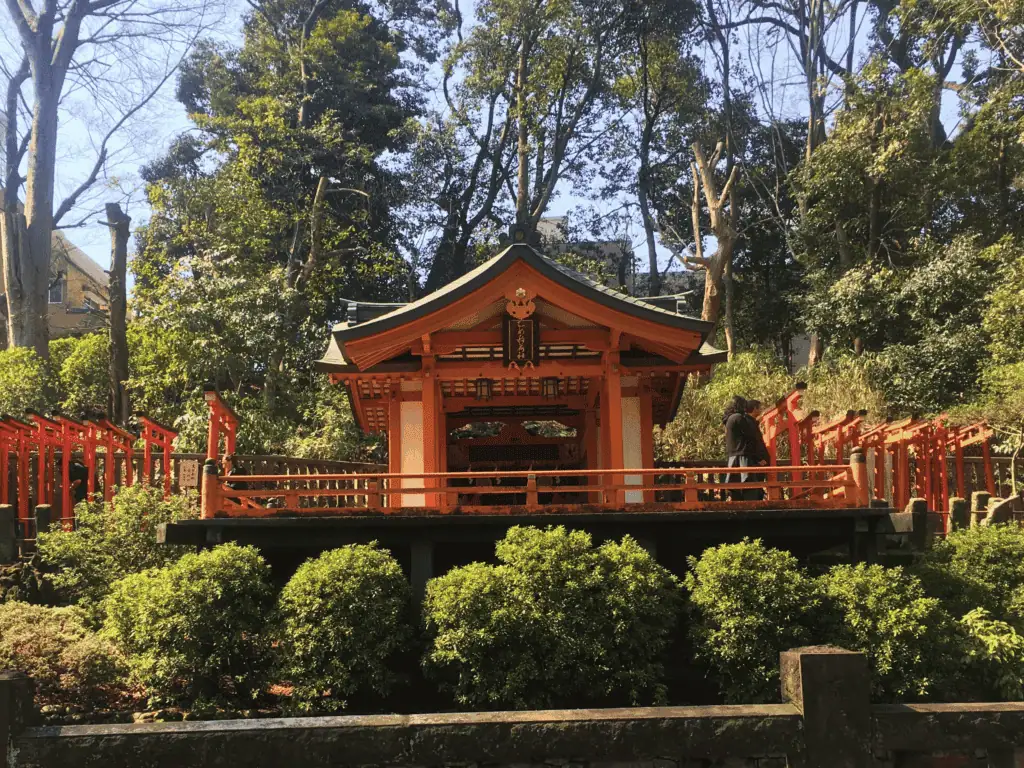
- Check out one of Japan’s many Shrines. My favourite was Nezu Shrine, while not the largest or most famous, this one was tucked away a short walk from Nezu Station and was full of colourful pagodas and Torii gates in a beautifully manicured garden.
- Take a wander down the main street of Harajuku, Takeshita Street. This colourful street is full of action with its quirky fashion, street food carts and vibrant feel. It gives you a look at a different, younger type of Japanese culture. It’s well known for its vintage shops where you can score a bargain, and its animal cafes, where you can lunch with Shiba Inu puppies.
(Although if you’re thinking of visiting an animal cafe, do lots of research first – many years ago, we visited an owl Cafe which was an awful experience as the owls were all chained to branches. Some cafes are well run with the animals’ welfare coming first, but sadly, not all.)
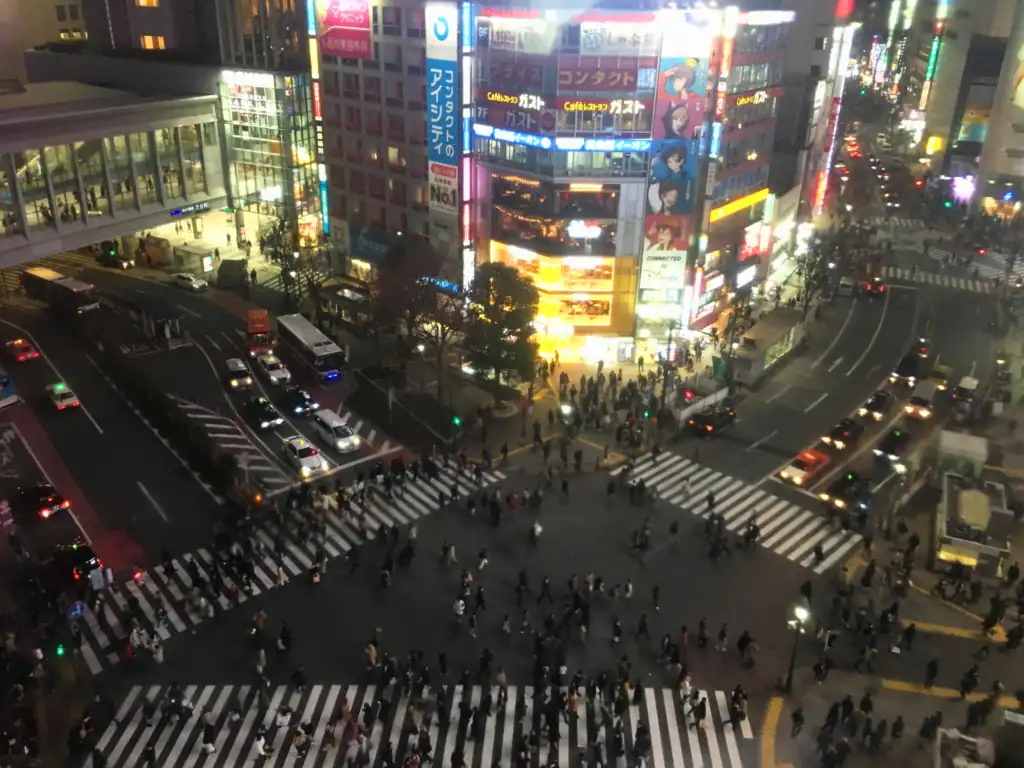
- This one is firmly on the tourist trail already; however, you can’t visit Tokyo without stopping by to get your photo of the famous Shibuya Crossing. Don’t expect to spend too much time here; however, I do think it’s worth ticking it off the list.
- For a cozy dinner or a late-night drink, take a wander through Golden Gai. This is a series of narrow alleyways full of little restaurants and bars. Many of the establishments seat only a handful of people, with the largest one we went to seating 8. You can enjoy a sit-down meal, a few drinks or even some Karaoke here. While the area is fairly touristy, a few venues will have signs out the front advising that only Japanese patrons are allowed. Make sure to respect these signs and move on to the next tourist-friendly spot.
Sapporo:
The capital of Hokkaido, you’ll find Sapporo covered in snow throughout winter, turning it into a winter wonderland
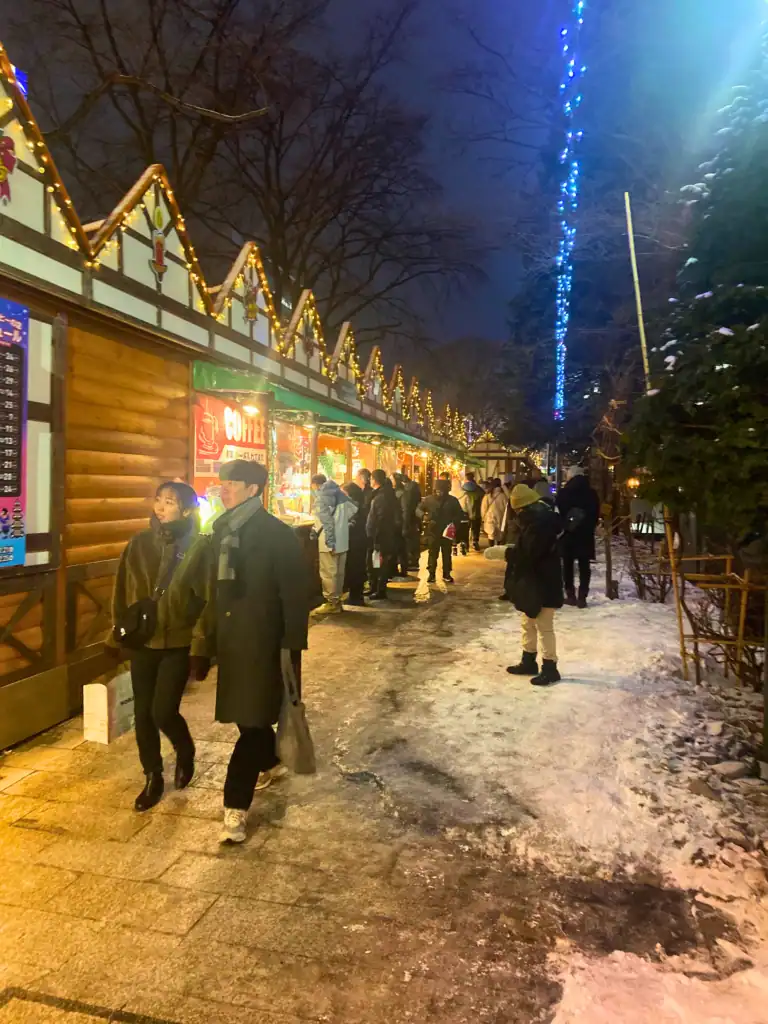
- If you’re travelling mid-late December, keep an eye out for the German Christmas markets. Quaint little European-style huts get set up in the middle of Odori Park, where you will find pretzels, mulled wine and plenty of other german themed food. There are also lots of Christmas-themed souvenirs like snow globes, Christmas tree ornaments and miniature log cabins. Surrounding the markets are also lots of light displays, with giant snowflakes, light tunnels and lit up igloos.
- If you’re visiting in early February, you can’t miss the annual Snow Festival. This is week long event is one of the biggest celebrations in Sapporo and showcases expertly carved snow sculptures all through Odori Park. While I personally haven’t had the opportunity to see it myself, everyone talks about how spectacular the sculptures are and how the city comes alive during the festival. – If you are travelling at this time, make sure you book everything early as hotels will book out and will also be more expensive, particularly if you want to stay near the park or Susukino.
- No trip to Sapporo is complete without a visit to Ramen Alley. As the name suggests, this tight little alleyway holds nothing but Ramen shops. All with a different focus and menu. Be prepared for a bit of a wait if you’re eating at normal meal times, but it will all be worth it once you’re seated with a steaming hot bowl of noodles. I can’t go past the traditional Sapporo miso-based style when I visit. If you’re looking for a recommendation, my favourite spot is Teshikaga Ramen; however, you can’t really go wrong regardless of which you choose – Although If you’ve got a sensitive stomach, go easy on the bamboo shoots. We learnt the hard way on our first visit, and it was a long bus trip to Niseko the next day.
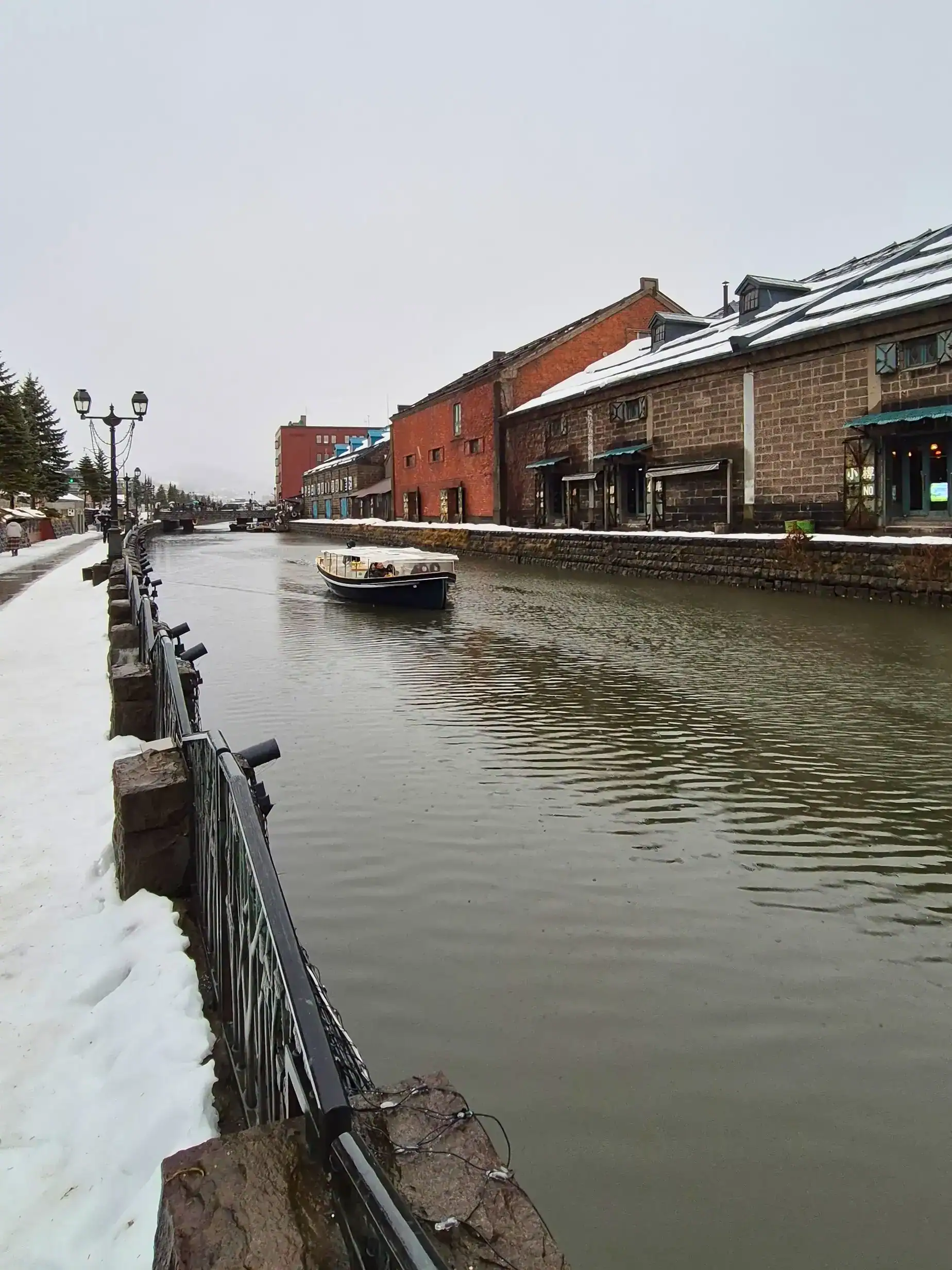
- If you’ve got a full day to spare, think about taking a day trip to Otaru. This little fishing village has some of Japan’s best seafood and cheesecake. Wander down the snow-covered canal, stop for a bit of cheesecake and a rich hot chocolate at Le Tao and then treat yourself to a seafood lunch from one of many seafood shops.
If you’re a fan of whisky, you can also pop across to neighbouring Yotei, where the Nikka Distillery is located. They run a number of free tours daily where you can learn about the distilling process and enjoy three free tastings. Prices in the gift shop are extremely reasonable as well, and a bottle or two of Japanese whisky makes for a great souvenir or gift. Just make sure to book the tour in advance, reservations open 4 weeks in advance and do book out. Also, don’t be discouraged by the Tours being conducted in Japanese; the guide will give you a link to a site that automatically translates the tour into English on your phone.
Ready To Ride?
Now that you know all about travelling through Japan, it’s time to choose your resort and book your trip! Use some of my resort-specific guides to decide on a location and find your perfect accommodation. Still have questions? Let me know in the comments below, and I’ll help plan your trip.
Extra Resources:
Extra resources to help ensure a hassle free trip.
Stay Connected
Japan eSIM – Essential for navigation, translations, transport apps, and booking reservations on the go. I always use Airalo as I know I’ll be getting a reliable and affordable service
Currency
Japan uses the Yen. Most places take card, but it’s still worth carrying some cash for smaller operators.
Accommodation
Hotels & Lodges in Ski Resorts – Look for ski-in/ski-out options or places close to shuttle routes for convenience. Find accommodation through Booking.com, or check out resort-specific experts, as most resorts will have a local provider.
Tours & Experiences
Ski passes & snow activities – Booking in advance can save time and money; however, many accommodation providers offer discounted rates, so check with your hotel or accommodation provider.
Guided backcountry tours – Ideal for exploring the backcountry safely and with local knowledge. If you’re heading to Niseko, I recommend Niseko Photography and Guiding, they do great tours with really friendly and knowledgeable guides. However, most resorts will have a number of options available.
Non-ski activities – experiences like snowshoeing and tobogganing are available at most resorts. Check out Klook and Get Your Guide for lots of options, or check directly through the resort website.
Travel Essentials
Travel insurance that covers skiing – Look for comprehensive insurance with snow coverage. As an Australian, my favourites are 1 Cover for typical insurance, or if you have travel insurance already and just need snow cover, check out flip insurance for affordable, dedicated medical snow coverage. Whoever you go with, though, make sure to check the PDS to ensure they cover the type of riding you’re looking to do.